
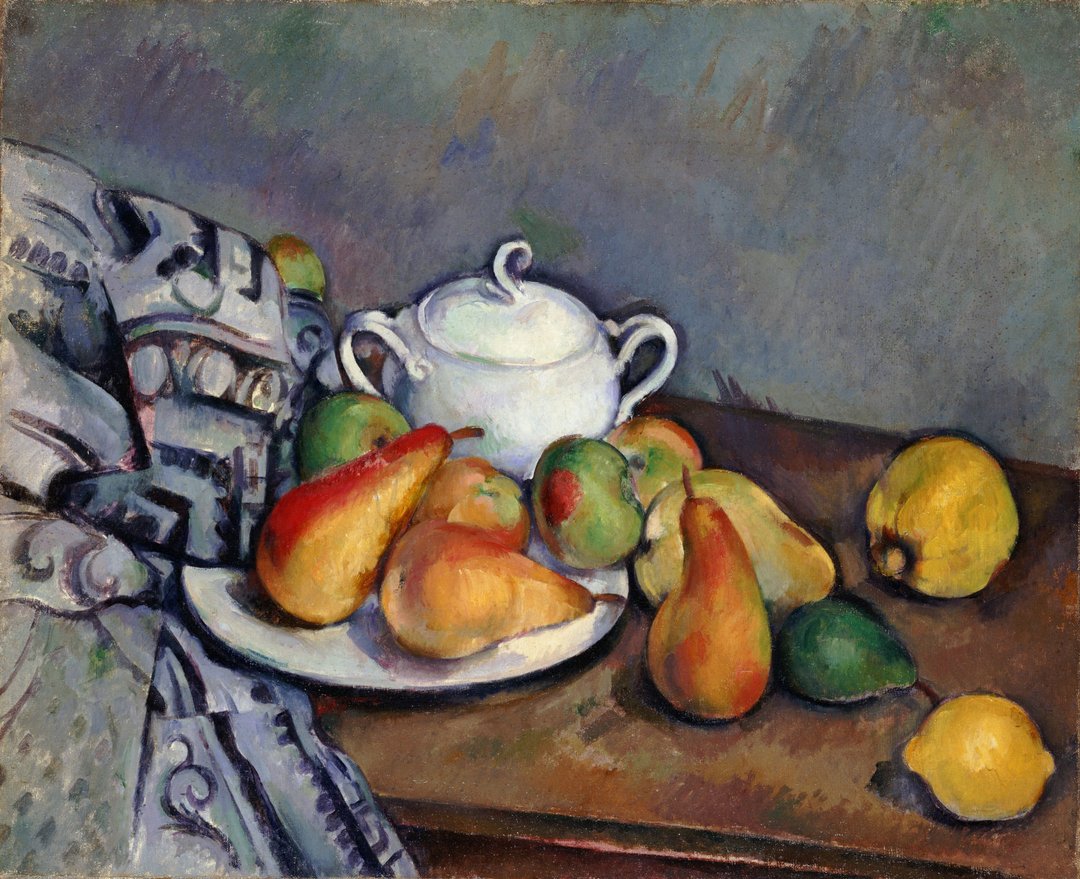
Paul Cezanne (1839-1906) was born in Aix-en-Provence in southern France. He studied art in that provincial city before moving to Paris, where he encountered the latest artistic currents of modernity and opened the way to an original mode of expression. He took part in the Impressionist exhibitions about twice, yet kept his distance from an aesthetic devoted to capturing the instant.
Instead he moved his base of activity back to his native Provence and deepened his work there. His ultimate aim was to express art as "a harmony parallel to nature." He expressed form and space through colour and built the picture surface with brushwork. The results, grounded in observation of the nature before him yet made of elements of form independent of nature, have been highly regarded as an autonomous art, and they influenced later artists a great deal.
Cezanne died at his home in Aix on 23 October 1906, and this year marks 120 years since the painter's death. The exhibition presents selected Cezanne works from the Pola Museum of Art collection alongside works by painters who were influenced by him and who kept his legend alive.