
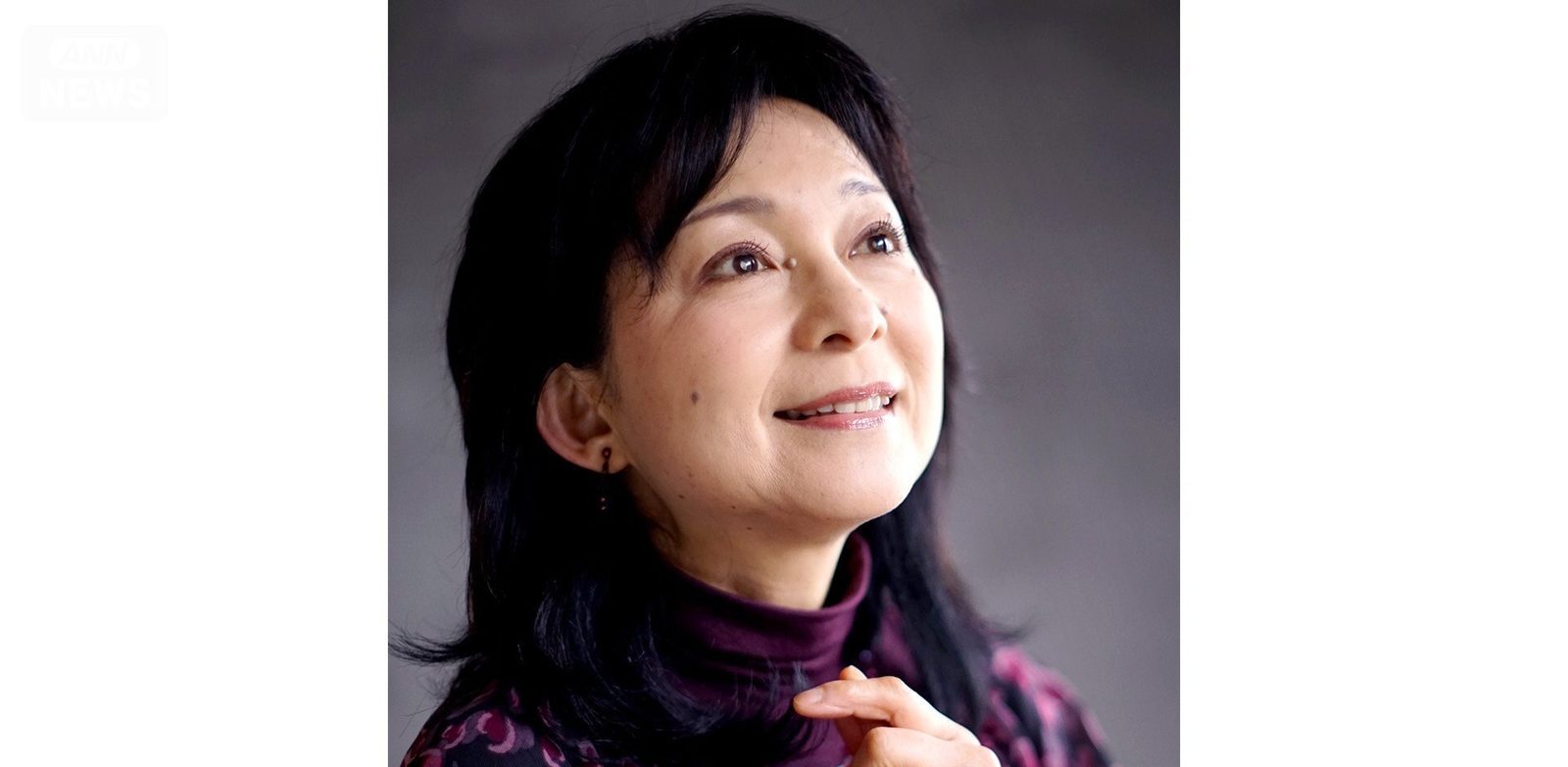
Hiromi Ota, the singer behind 'Momen no Handkerchief' — a 1975 hit that helped define the sound of Showa-era pop — has died at 71, according to reports.
She died on the 12th. Ota announced in 2019 that she had breast cancer and kept giving concerts around the country through her treatment.
A new kind of Japanese pop
'Momen no Handkerchief' (Cotton Handkerchief) came out in 1975 and was a breakthrough for its time. It was written to be a new kind of Japanese pop, with a man and a woman in a long-distance relationship trading lines back and forth.
The song won her newcomer awards that year, including at the Japan Record Awards. Takashi Matsumoto wrote the lyrics and Kyohei Tsunomita composed the music.
The pair had been her golden team since her 1974 debut single. Ota said the Tigers, and above all their frontman Kenji Sawada, were what made her want to sing.
“I was a huge fan of the Tigers. I loved Julie (Kenji Sawada).”Hiromi Ota, singer
Her Matsumoto-Tsunomita songs kept producing hits, and she appeared on NHK's year-end Kohaku singing contest five years running. Her 1980 release 'Saraba Siberia Tetsudo' had lyrics by Matsumoto and music by Eiichi Otaki.
Crossing the line between folk and kayokyoku — the mainstream Japanese pop of the era — she opened the way for today's female J-pop vocalists.
Cancer, then a new challenge
Illness struck in 2019. A lump in her breast began to hurt, and she was examined at a hospital.
“I have been diagnosed with breast cancer. I chose to go on singing while receiving treatment. While facing reality squarely, I want to keep doing what I have always done: get up in the morning, cook, do the laundry, clean, write songs and sing.”Hiromi Ota, in a September 2019 post on her official blog
She described losing her eyelashes and eyebrows to chemotherapy as the hardest part. Washing her face in the morning, she said, she suddenly felt like an old woman.
“My eyelashes were protecting my eyes from dust getting in. The human body really does have so many things protecting it. I felt grateful.”Hiromi Ota, singer
In 2020 she confirmed there had been no spread or recurrence and returned to singing while undergoing regular checkups. Then, the year before last, something went wrong in her brain.
She did not undergo cranial surgery. She was treated with an advanced brain treatment system and announced she would focus on treatment and rest.