
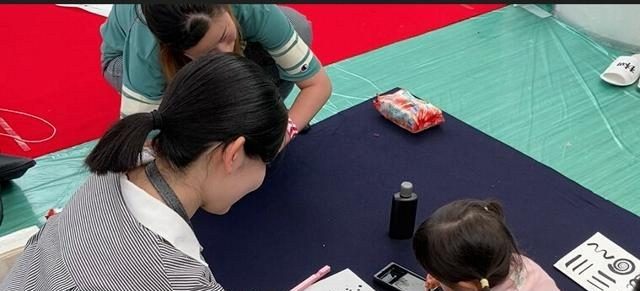
Japanese calligraphy, known in Japan as shodo, is set to be added to UNESCO's Intangible Cultural Heritage list after the expert body that screens government nominations in advance recommended inscription, the Asahi Shimbun reported. The recommendation covers the wider habit of writing characters by hand, not only formal calligraphy.
UNESCO — the United Nations Educational, Scientific and Cultural Organization — maintains the list. A recommendation from its evaluating body is the last hurdle before a nomination goes to the intergovernmental committee for a formal decision.
What intangible cultural heritage is
The list covers living practices, expressions and skills that communities pass down, rather than buildings or landscapes. Inscription does not lock a tradition in place; it commits a country to safeguarding it and to reporting on those efforts.
The system was created because older heritage protections dealt only with monuments and sites. Traditions such as performing arts, crafts and food culture had no route onto an international register, and the intangible category was set up to give them one.
Japan already holds inscriptions for washoku — traditional Japanese cuisine — and for kabuki theater, among others.
How it differs from World Heritage
World Heritage status applies to physical places, such as Sado Island's gold mines or Hikone Castle, which the government has moved to nominate. Intangible heritage applies to people's practices and skills, which can continue to change while remaining the same tradition.
The two lists carry different obligations. A World Heritage site is subject to conservation rules tied to its fabric, while an intangible listing is tied to transmission — whether the practice is still being taught and carried on.
Inscription also brings attention and visitors. For a practice rooted in local communities, that is where the funding and tourism stakes sit.
The risks of listing
Inscription can cut both ways. Recognition raises a tradition's profile and can draw support, but it can also turn a living practice into a performance staged for outsiders, and freeze customs that were never meant to be fixed.
The Asahi Shimbun's explainer sets out those risks alongside the background of the system and the difference from World Heritage. It does not detail the specific safeguards Japan has proposed for calligraphy.