
Japanese calligraphy, or shodo, looks set to be added to UNESCO's Intangible Cultural Heritage list, and calligraphers who have worked to spread the practice in their communities have welcomed the recommendation.
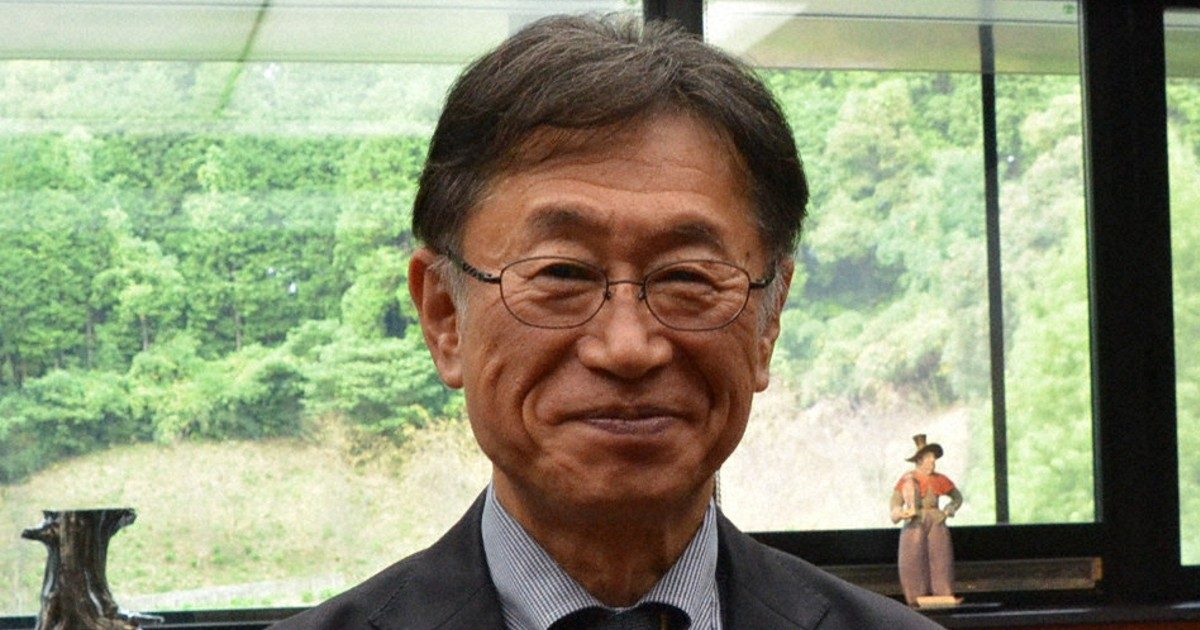
Jun Tomita, director of the Kyushu National Museum in Dazaifu, Fukuoka Prefecture, who studies the history of calligraphy exchange between Japan and China, called the move a turning point. The art is now being judged internationally as a culture rooted in daily life and in the spirit, he said.
Tomita stressed that listing is not the goal. "We have to dig into the essential spirit of calligraphy, the quiet time spent facing oneself, spread it, and share its global value," he said.
A brushstroke cannot be taken back
Asked what it means to face paper with a brush, Tomita pointed to what cannot be undone. "The oneness of a stroke that cannot be rewritten symbolizes the preciousness and fleetingness of living," he said. A written work lets the viewer relive the writer's feelings, he added, and is also a place of self-discovery.
Great works have been valued and handed down across the centuries, Tomita said. "The value of Japanese calligraphy was formed in the history of the fusion and clash of Japanese and Chinese styles," he said. Calligraphy from China and Japan that has been appreciated for a thousand years carries a universal beauty and truth, and that breadth and depth must be passed on, he said.
“Writing characters is not everything.”Jun Tomita, director, Kyushu National Museum
The recommendation follows concern about the practice itself. The number of enthusiasts has fallen by about 1 million in eight years, according to a Mainichi Shimbun report, and that decline sits behind the push for heritage status.
The idea of seeking a listing came from Keido Ise, a calligrapher who said Japan, too, must do its part. The recommendation covers Japan's 24th item for the intangible cultural heritage list.