
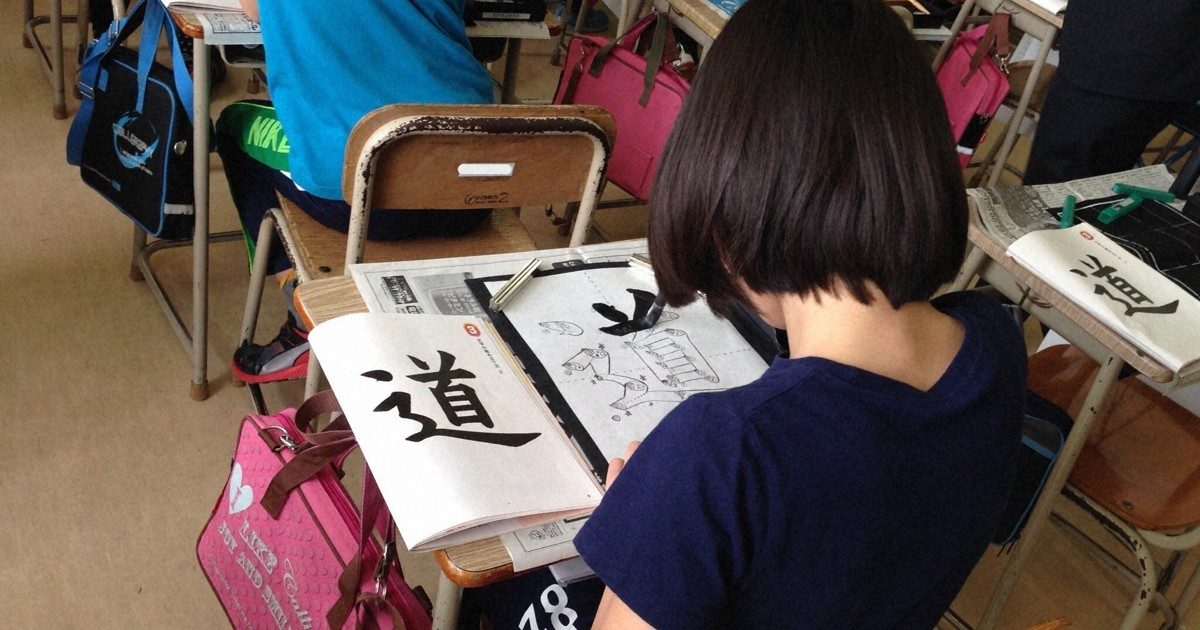
Calligraphy has been recommended for UNESCO intangible cultural heritage status, Japan's 24th such listing, in a move the craft's promoters have pursued for years as the number of people who practice it falls.
For those in the calligraphy world, the listing had been a long-standing goal. The campaign took off after Chinese calligraphy was inscribed in 2009, Mainichi Shimbun reported, starting with appeals from individual calligraphers.
In 2015, three bodies including the National Calligraphy and Painting Promotion Association founded the Japan Calligraphy UNESCO Registration Promotion Council. Takeken Nagano, a professor emeritus at Tokyo Gakugei University who studies calligraphy education and sits on the council, said steady work across the field had paid off.
“The steady efforts of the entire calligraphy world have borne fruit.”Takeken Nagano, professor emeritus at Tokyo Gakugei University and council member
The council reached out to calligraphy groups across exhibition and school lines, and a signature drive in 2016 drew support from 14,192 organizations. In 2021, the Japan Calligraphy Culture Association was set up to protect and pass on the tradition, sending calligraphers to high schools and holding hands-on calligraphy sessions at events in Japan and abroad.
That year calligraphy was also registered as a national intangible cultural property, which led the government to propose it to UNESCO.
A shrinking base
Behind the campaign is concern that the number of practitioners is shrinking. A leisure white paper found that 1.6 million people enjoyed calligraphy in their free time in 2024, down 1 million from 2016.
In a fiscal 2018 survey of calligraphy groups by the Agency for Cultural Affairs, more than 80% named the aging of members as a current problem. A falling birthrate, an aging population and the spread of other hobbies have cut the number of penmanship classes.
School plays a central role in giving people calligraphy experience. Under the national curriculum guidelines, elementary and junior high schools teach shosha — penmanship — within Japanese language classes, while high schools offer calligraphy as an elective in the arts.
In a 2020 agency survey of 1,500 people aged 12 and over nationwide, 85% said they had studied calligraphy in elementary or junior high school.
The rest of the article, including the remaining findings of that survey, is behind a paywall.