
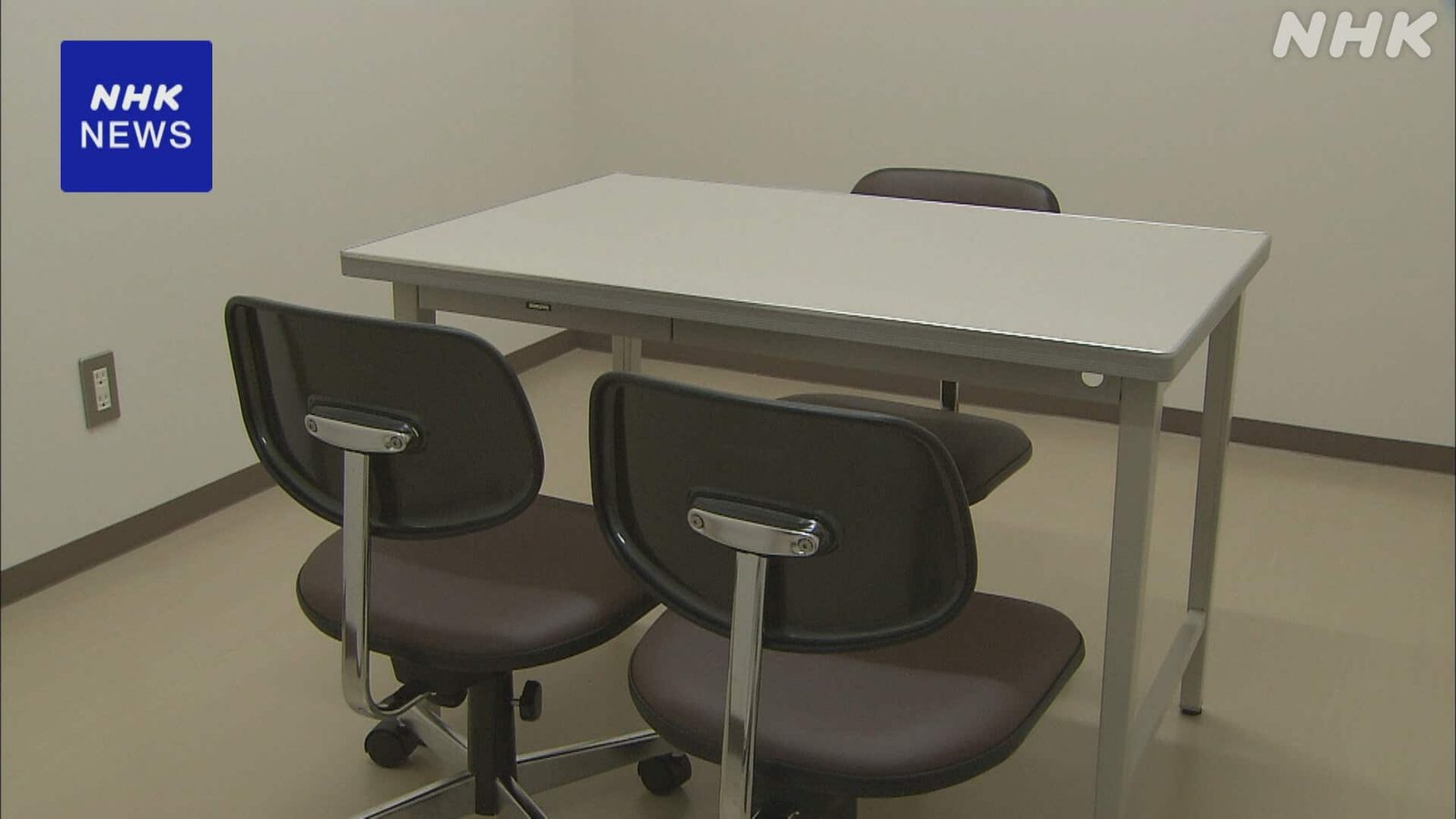
Suspects in custody are increasingly refusing to leave their cells for questioning — a practice known as 出房拒否 (shutsuhō kyohi), or refusal to leave the cell — and prosecutors nationwide have drawn up a manual for handling such cases, NHK reported.
The manual sets out how prosecutors should respond when an arrested suspect stays inside the detention cell and declines to be interviewed. NHK did not say what the manual instructs or when it was produced.
A group of lawyers that has been working on the issue says the right to remain silent is not adequately guaranteed during questioning by investigators. The group's position is that a suspect who stays in the cell is exercising a legal right, not obstructing an investigation.
Under Japanese law, suspects may refuse to answer questions, but they can be held and questioned without a lawyer present. Prosecutors build their cases largely on statements taken during that questioning.
The account of the lawyers' group is truncated in the source. NHK did not give figures for how many refusal cases have been recorded, where they are concentrated, or how prosecutors have dealt with individual suspects.