
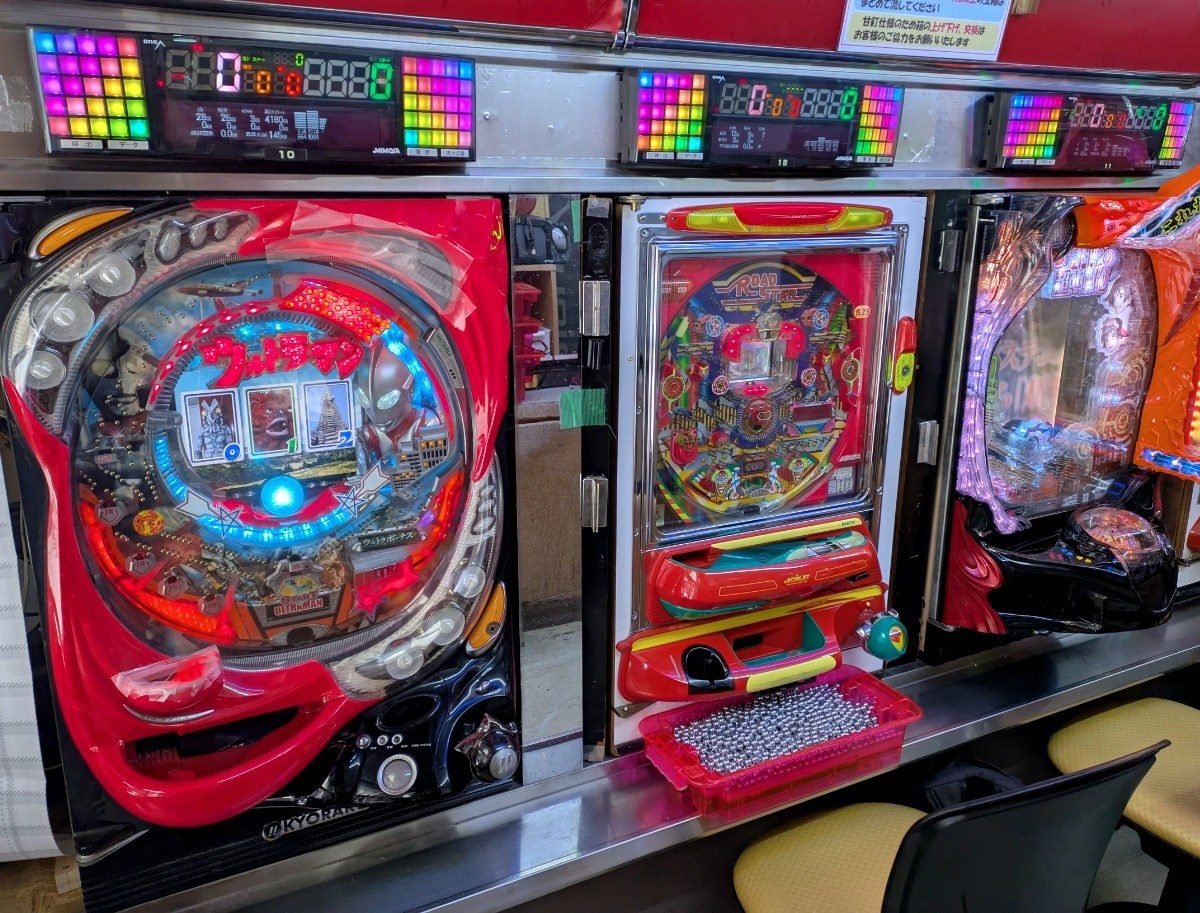
Prosecutors have filed charges against the manager and operating company of a pachinko parlor in Ishinomaki, Miyagi Prefecture, over a 3,500-yen buyback that bypassed the industry's legal workaround for paying out winnings, according to reports.
The charges allege that on January 20 the parlor bought four special prizes from a customer for a total of 3,500 yen (about US$22). That skipped the three-store system that keeps pachinko outside Japan's ban on gambling. The parlor has since closed. Its 71-year-old manager admitted to the act, and reports describe it as the first such case in the prefecture since 2007.
How pachinko stays legal
Pachinko players do not win money from the parlor. The machines pay out metal balls, which players trade at a counter inside the parlor for tokushu keihin — "special prizes" such as pens or cards containing small pieces of gold, which are harder to counterfeit.
A separate shop nearby, run by a different company in a different building, buys those prizes at well above their worth. A wholesaler then buys them from the shop and sells them back to parlors, all at close to cost. Each step is a legitimate sale, so tax is paid and no single business is handing cash to a player for a game of chance. The arrangement is known as the santen hoshiki (three-store system).
The system applies only to pachinko and slot machines. Other arcade prizes are capped at a wholesale price of 1,000 yen per item, and casino games face the tightest rules of all.
Why the industry got its own rules
Pachinko took its current quasi-gambling form largely as a livelihood for Zainichi Koreans — Korean residents of Japan — who could not find work at companies after World War II. Yakuza groups became involved in the businesses at the time, and oversight was thin while the country was in upheaval.
As the police grew more organized, they chose to push the yakuza out rather than shut the parlors down, and installed themselves as regulators of the industry. The three-store system was one of the tools for that. By the late 1980s and 1990s pachinko had become a huge industry tied closely to the national economy and employing hundreds of thousands of workers.
Readers responding to the charges questioned the arrangement itself.
“Seriously, why is the three-store system only permitted for pachinko parlors? Has that ever actually been explained?”a reader comment
“Funny how pachinko parlor staff never seem to notice the mysterious little shacks sitting right on their own premises.”a reader comment
Parlors are closing at an increasing pace, and the legalization of casinos in integrated resorts may pull more gamblers toward those facilities. Whether the three-store system outlasts the industry it was built to manage is an open question.