
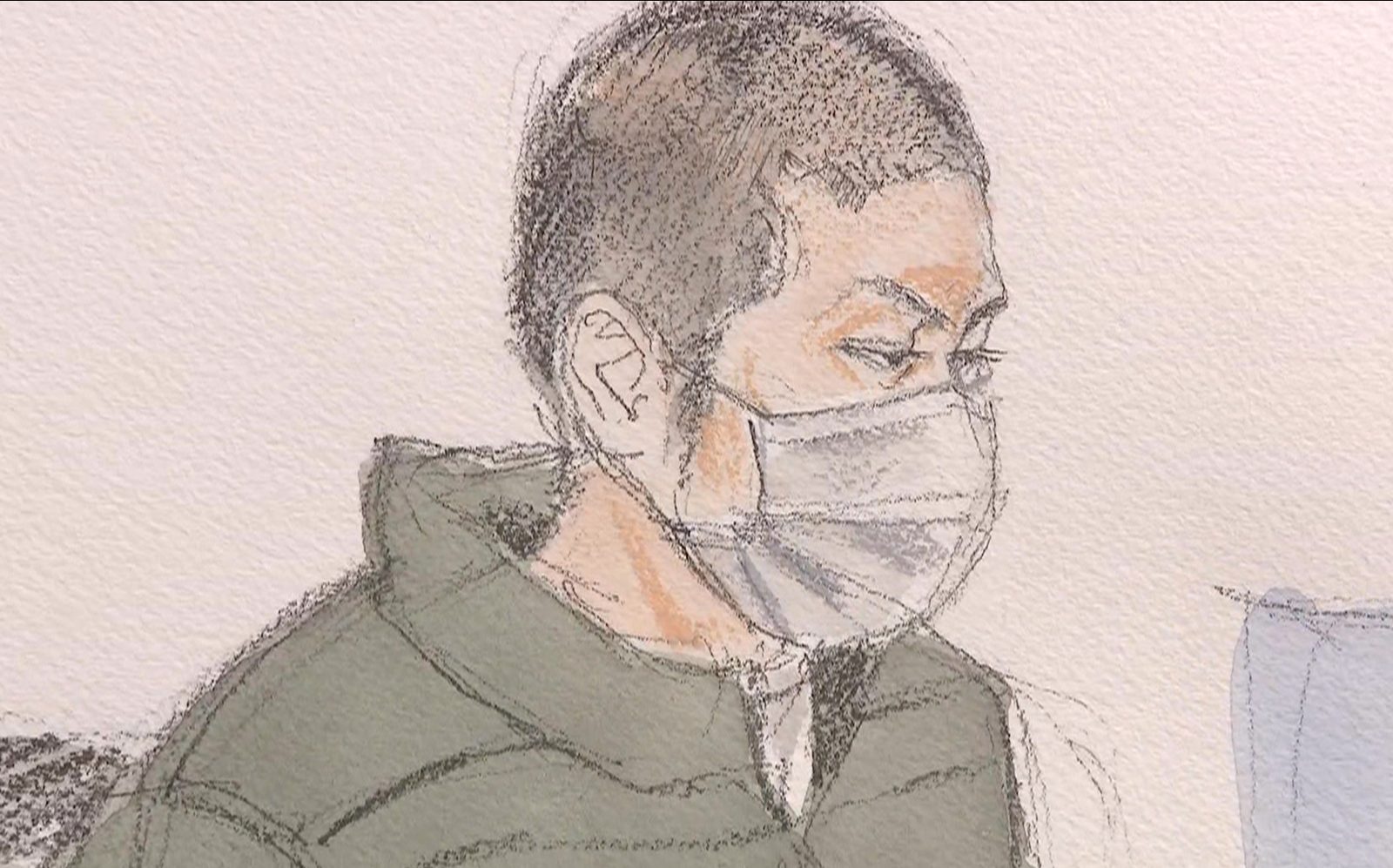
A 30-year-old man accused of driving into a group of schoolchildren walking home in Osaka's Nishinari Ward went on trial on Monday, telling the court he will stay silent so his words cannot further harm the children he is accused of trying to kill.
Yuki Yazawa is charged with attempted murder. Asked at the opening hearing of the Osaka District Court whether he admitted the charges, he declined to answer, ABC reported.
The attack took place in May last year. A car struck the group of children on their way home from school, injuring seven second- and third-graders, boys and girls, with injuries ranging from serious to minor.
Witnesses described the scene. "Everyone was in a panic," one said. "Some children were crying for their mothers, and some were just staring blankly."
The same witness described Yazawa at the scene as motionless and focused on a single point, without raising his voice.
Prosecutors: a wish to die by execution
After his arrest, Yazawa said he had grown tired of everything and had driven into the children to kill several of them, according to his statement at the time.
The Osaka District Public Prosecutors Office held him for psychiatric evaluation of his mental state. It then concluded he could be held criminally responsible and indicted him.
In court on Monday, Yazawa sometimes fell silent as he addressed the charges, then gave this statement:
“Thinking that my own words would have a negative effect on the minds of the injured children, I believe it is better not to say anything, so I will continue to remain silent. I do not seek a reduction in my sentence.”Yazawa told the Osaka District Court
Prosecutors traced the path to the attack. They said Yazawa became estranged from his family after his older sister reprimanded him, then attempted suicide.
When that attempt failed, prosecutors said, he looked for a way to die without fail and came to want the death penalty.
Defense argues developmental disorder
The defense said Yazawa has a developmental disorder. His responsibility, the lawyers argued, cannot be separated from that condition.
“To what extent should the motive and reasons for the crime be condemned? If a mental disorder is involved there, it cannot be called Mr. Yazawa's responsibility. That is because having a mental disorder is not his fault.”the defense told the court
Lawyer Noriko Kameishi said Yazawa's statement was likely made after consulting his defense team. "He may think his own words could have a negative effect," she said. "Perhaps that led to the policy of staying silent."
Kameishi said it was not clear whether the defense would contest his mental capacity or raise the disorder as a mitigating factor. That question is likely to be the focus of the trial, she said.
The court will hand down its verdict on January 15 next year.