
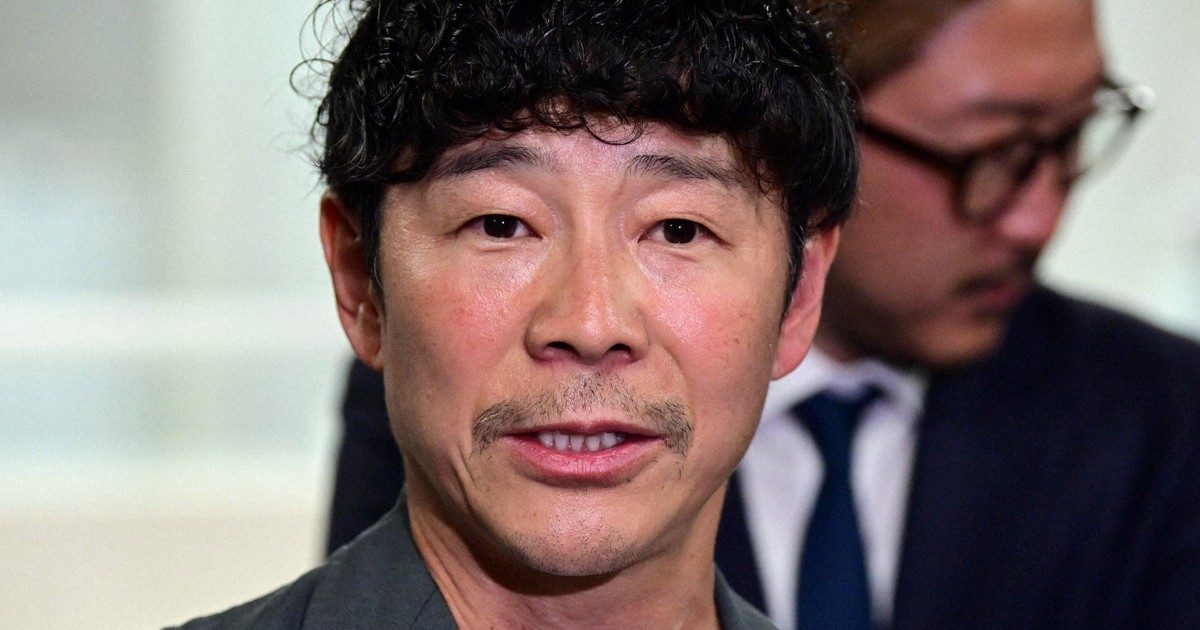
The Tokyo District Court on Tuesday dismissed a lawsuit by entrepreneur Yusaku Maezawa against Meta over impersonation scam ads on Instagram and Facebook, ruling the US tech giant had not unlawfully left them in place.
Presiding Judge Naoyuki Iwai found Meta could not have recognized the fraudulent ads immediately. He rejected the claim that the company had engaged in "illegal neglect," the Mainichi Shimbun reported.
Maezawa had sought to stop the ads and win damages. The court ruled against him on every claim, and his side is considering an appeal.
A fraud wave worth ¥128.8 billion
So-called SNS investment fraud, in which scammers pose as celebrities to solicit money for purported investments, caused ¥128.8 billion in losses in 2025 and has become a social problem.
Maezawa's side aimed to establish the responsibility of a giant platform operator rather than sue individual posters. The ruling sets a high bar for curbing the damage.
Rights infringed, but no liability
According to Maezawa's side, scam ads using his name and photographs without permission to solicit investments appeared on Instagram and Facebook from around June 2023 at the latest.
In August 2023 he asked Meta to remove the ads. The company replied that it was working to resolve the problem, but he kept finding more ads intermittently and filed suit in May 2024.
The court first found the ads infringed Maezawa's portrait rights and his publicity rights, which let a person exclusively profit from their image.
It then set out when a platform, which did not post the ads itself, can be held liable for damages. That happens when it commits an illegal omission, such as leaving a rights violation in place.
Applying that standard to Meta, the court cited several factors:
- Ad screening does not comprehensively examine legality.
- Maezawa's side did not specify the content or location of the ads in its reports.
- Meta had stopped displaying most of the ads Maezawa complained about within two days.
The court concluded there was no illegal omission and no need to award damages or block ads featuring Maezawa.
“Is it OK to leave them unchecked? Is that really all right? I'm considering an appeal.”Yusaku Maezawa, writing on X after the ruling
Meta said in a statement that it would keep working to address scam ads and protect users.