
The Tokyo District Court rejected Yusaku Maezawa's claim against Meta in full on Tuesday, ruling the company "merely provided" the platform for investment scam ads that used his name and face, and setting a high bar for holding platforms liable.
The entrepreneur had sought an injunction and damages over advertisements carrying his photograph and the line: "Let's explore the future of finance together with Yusaku Maezawa and build a path to success." Clicking a sign-up field in the ad invited users to investment seminars.
Maezawa never gave permission for any of it. Who posted the ads is unknown. More than 800 posts and deletions were repeated on Instagram and Facebook, both run by Meta, between 2023 and 2024 — a count limited to what Maezawa's side could confirm.
His team set up its own online reporting window in August 2023 and again in March 2024 to gauge the damage. It asked Meta to delete the ads and reported the losses to the Metropolitan Police Department. The 2024 window drew 184 reports in 10 days, with losses totaling close to ¥2 billion.
To make the platform's illegality clear, Maezawa deliberately limited his damages claim to ¥1. The court instead drew a sharp line between the people who posted the scam ads and the platform.
Meta did not directly take part in posting the ads, the ruling said. It noted that Meta screens advertising and stopped the ads Maezawa's side flagged within two days, and concluded this was not "an illegal failure to act."
“It is a deeply disappointing result, and I feel powerless.”Masaru Terui, lawyer for Maezawa
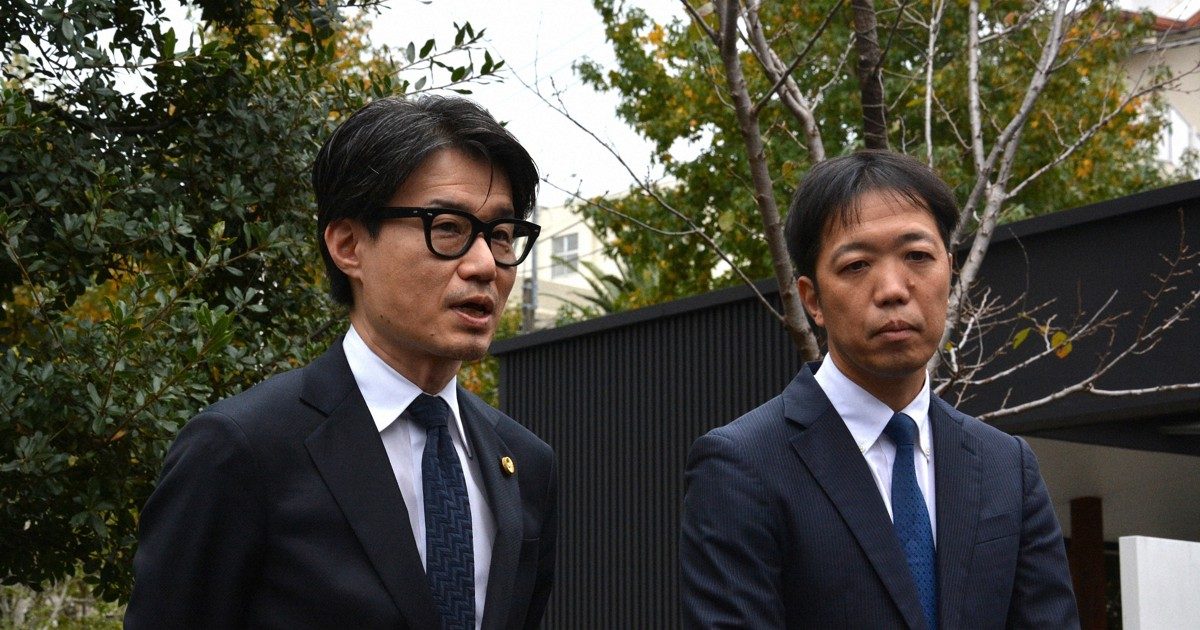
Terui and other lawyers for Maezawa spoke to reporters after the ruling. The suit pressed Meta to disclose how its ad screening works, but the answers stayed abstract, they said.
“The United States has a system for disclosing information, but Japan has almost nothing equivalent.”Masaru Terui, lawyer for Maezawa
Under the ruling's logic, victims would have to check every ad themselves as it appears. "Not everyone can fight the way Mr. Maezawa did," Terui said. "If the person who was impersonated cannot win, no one in Japan can win in court."
A second defeat in Yokohama
Separate from Maezawa's suit, people who were actually defrauded are suing Meta in collective actions at six district courts: Yokohama, Chiba, Saitama, Nagoya, Osaka and Kobe.
Yokohama District Court issued the first ruling in October and also denied Meta's liability. It cited a past Supreme Court decision on newspaper advertising, finding that a business must investigate whether an ad is false only when "special circumstances raise doubt about its truthfulness and damage to readers can be foreseen."
The ads the plaintiffs submitted as evidence could not "easily be recognized as fraudulent false advertising," the court concluded. The plaintiffs have appealed to the Tokyo High Court.