
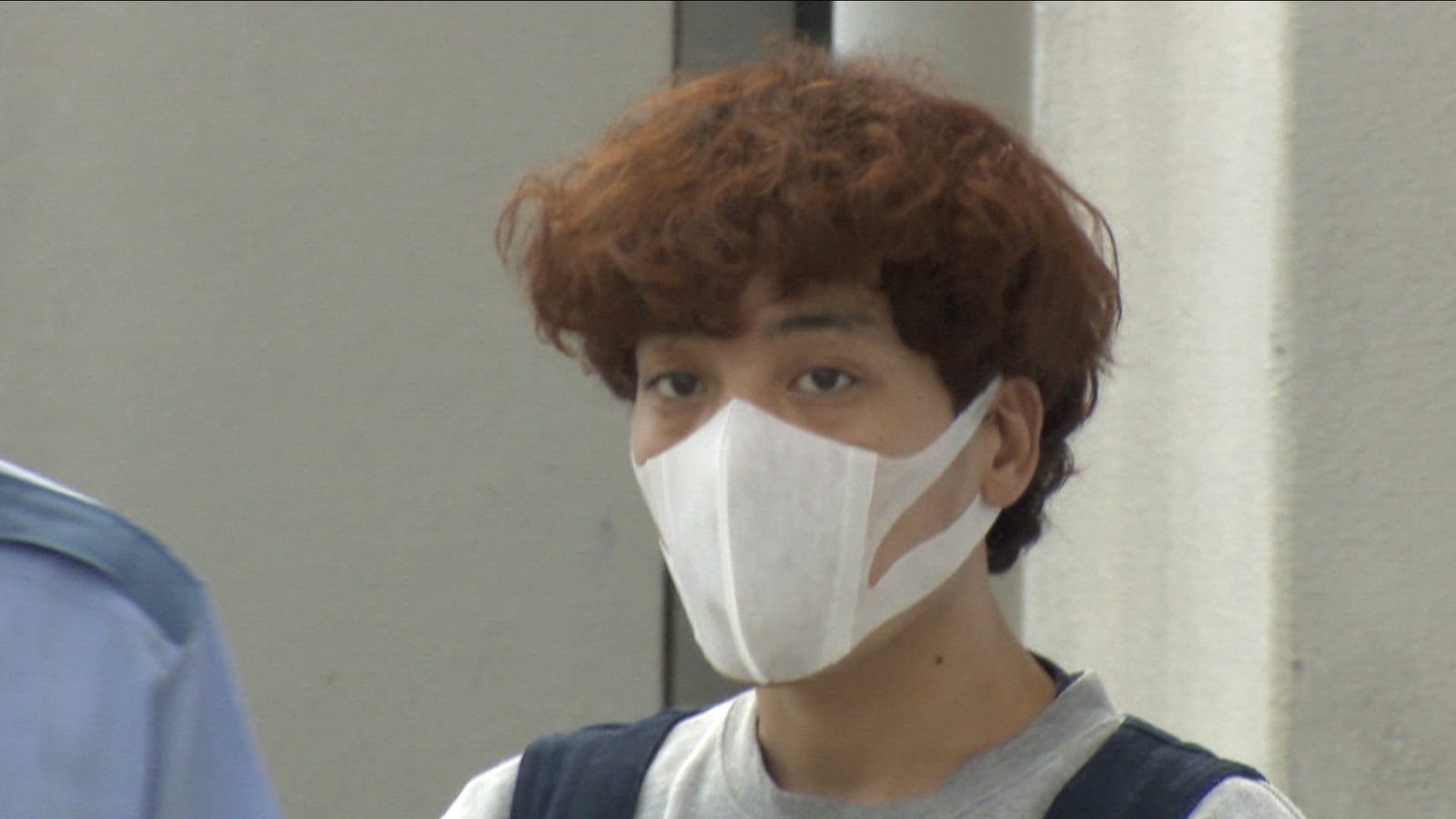
The uncle of a 6-year-old boy whose body was found in a suitcase in a grassy area in Kobe's Nishi Ward denied all charges at his first trial on the 16th, ABC News reported, in a case that turns on whether child welfare services had enough warning to act.
Hosaka Shu was 6 when his body was found in June 2023 in a suitcase abandoned in a grassy area in Nishi Ward, Kobe. He died of traumatic shock caused by assault and other violence.
His uncle, Daichi Hosaka, 35, was arrested along with Shu's mother and two aunts, with whom the boy lived. All four were later indicted.
In January, the mother and the two aunts were found guilty of causing death by injury and abandoning the body. In their trials, it emerged that Hosaka called himself "king" and referred to Shu and the two aunts as "pets."
The court also found that the three had been under Hosaka's mind control, through violence and other means, since before the incident. It accepted that their ability to take lawful action had been reduced at the time.
Hosaka is described as the ringleader. According to the indictment, he conspired with the mother and the two aunts to beat Shu with a steel pipe and cause his death, then place the body in a suitcase and abandon it. He faces eight charges.
"Everything is wrong"
When the charges were read out at the first hearing on the 16th, Hosaka answered the presiding judge's question immediately. "Everything is wrong," he said, denying the charges.
In opening statements, prosecutors noted that Shu and the three women had bruises while Hosaka did not. They argued that his position within the family and his role in causing Shu's death were central.
The defense admitted Shu's death and the abandonment of his body. It contests the conspiracy with the three women and the assault on Shu.
A verdict is scheduled for January.
Welfare center closed its file
A city report sets out how Nishi Ward and the child consultation center — the municipal body that handles child abuse cases — responded in 2023.
- April 24: A nursery school notified the ward that Shu had bruises.
- May 1: The ward visited the home and obtained Hosaka's consent for temporary protective custody.
- May 2: The ward told the child consultation center that protection was urgently needed. The center called the family, and protection was refused.
- May 9: The center visited the home. Hosaka again refused, saying temporary protection was unnecessary.
- May 18: The center decided to close its response.
- June 22: Shu was found dead.
The center closed the case because it understood that the family did not want temporary protection. The report reviewing the case found that information sharing among the ward, the child consultation center and police was insufficient.
After the case, a system for sharing abuse information with police in real time came into operation the year before last. Police are now able to respond quickly and appropriately, according to the report.
"Risk of abuse" is enough
Lawyer Noriko Kameishi said the child consultation center can take a child into temporary protection if there is a risk of abuse.
“Even if it cannot be established whether abuse occurred, temporary protection is possible if there is a risk of abuse. Regardless of what the family says, if the risk of abuse is recognized from objective circumstances, temporary protection should be taken.”Noriko Kameishi, lawyer
Since the system began operating, the number of consultations has risen on notifications from police and others, according to the report.