
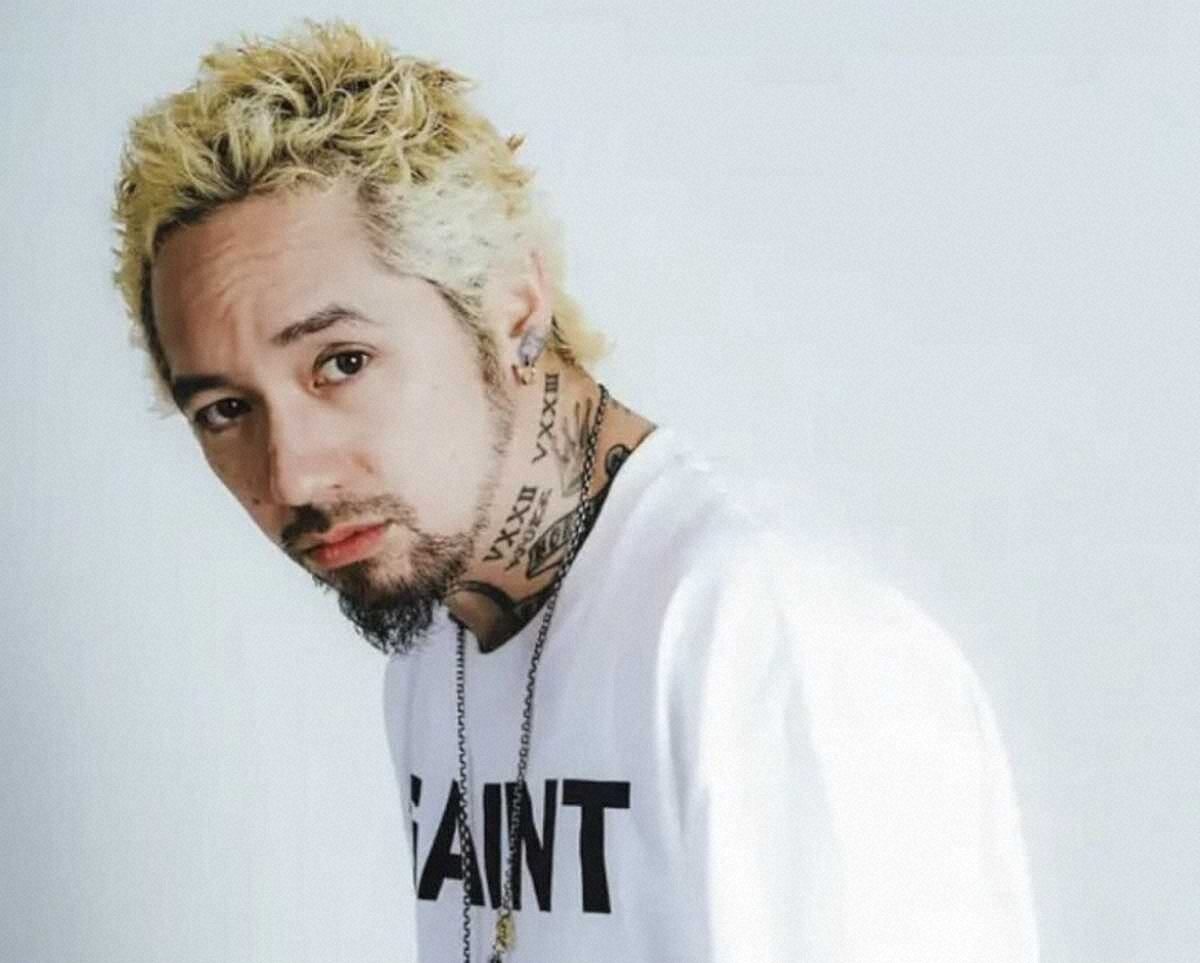
Tokyo police arrested JESSE, the vocalist of the rock bands RIZE and The BONEZ, on suspicion of using cocaine, and his family has said in a handwritten statement that he denies the charge and has refused to speak to investigators.
The Metropolitan Police Department arrested the singer, whose real name is Jesse McFaddin Solato, 46, on the fourth on suspicion of violating the Narcotics and Psychotropics Control Law, Sponichi Annex reported.
Investigators said he is suspected of using a small amount of cocaine in or around Tokyo on the fourth or shortly before. A urine test on the fourth came back positive, they said.
It is his second drug arrest. He was arrested in 2019 on suspicion of violating the Cannabis Control Law and received a two-year prison sentence, suspended for three years.
Family statement
His father, the guitarist Char, 71, released a statement on Instagram under his real name, Takenaka Hisato, with handwritten signatures from other family members.
“We understand that there are many opinions in response to the reports, and that some people cannot believe in him. Even so, we as a family believe in him, because he has consistently denied the charge and remained silent, even at the cost of opportunities to meet with us.”the statement said
The family said the uncertainty over how long he will be held while he keeps silent has placed an immeasurable mental and physical burden on him. They said signatures and messages of support have helped him keep from losing hope.
They asked the public to back him through signatures and messages, saying they simply believe in him and hope for the day he returns home safely.
Agency response
His agency said on the seventh that it takes the arrest seriously and will respond strictly and appropriately, and that it is working to confirm the facts. He withdrew from a live performance he had been scheduled to appear in on the seventh.
Japan allows suspects to be held in police custody while prosecutors decide whether to indict, and courts can extend that detention, a system that has drawn criticism from international rights groups over its length and its limits on access to lawyers.