
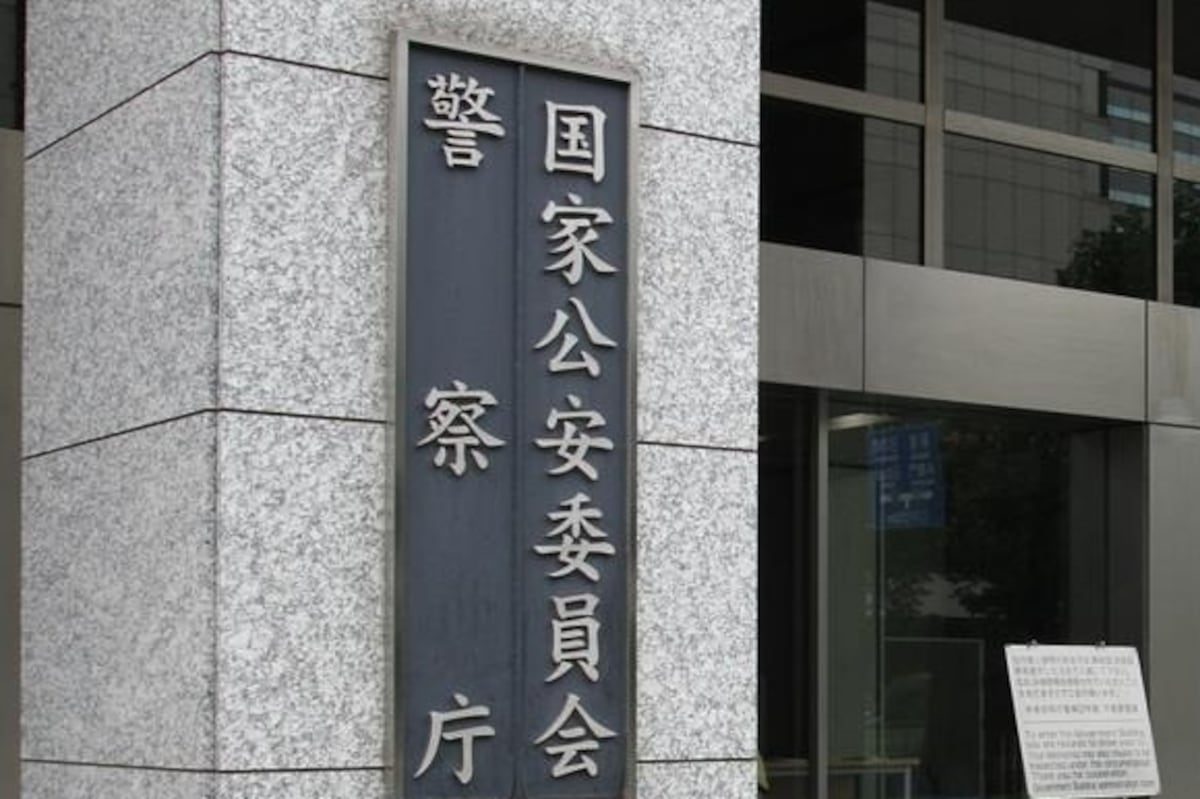
The National Police Agency said on Nov. 5 it will begin collecting information on bank accounts used in special fraud — scams that often target older people by phone — from all prefectural police forces and passing it to more than 800 financial institutions nationwide. The system starts on Nov. 9.
Until now, each prefectural force worked with banks in its area, mainly regional banks. When a victim reported a transfer, police passed the account details to the bank, which checked transaction records. If money had been sent to an account used to receive fraud proceeds, the bank told police, and officers made contact to stop further losses.
Saitama Prefectural Police began the arrangement in October 2024, and it spread across the country, according to the agency.
Seven in ten flagged cases confirmed as fraud
Between July and September this year, banks passed 1,442 cases to police under the scheme as possible victims of fraud. About 70 percent were confirmed as actual fraud, the agency said.
Under the new operation, the agency will sign agreements with 30 major city banks and internet-only banks, gather prefectural police data at its own offices and share details of fraudulent accounts with 807 institutions in total.
The agency did not say how the pooled data will be stored, how long it will be kept or what safeguards will apply.
Losses running above last year's record pace
Special fraud losses reached about ¥261 billion between January and September, a provisional figure, up about ¥48.3 billion on the same period last year. The agency said the total is on course to exceed the record set in 2025, the worst year to date.
Some victims are deceived for long periods and lose money several times, an agency official said. "We want to use this to stop the second and subsequent losses," the official said.