
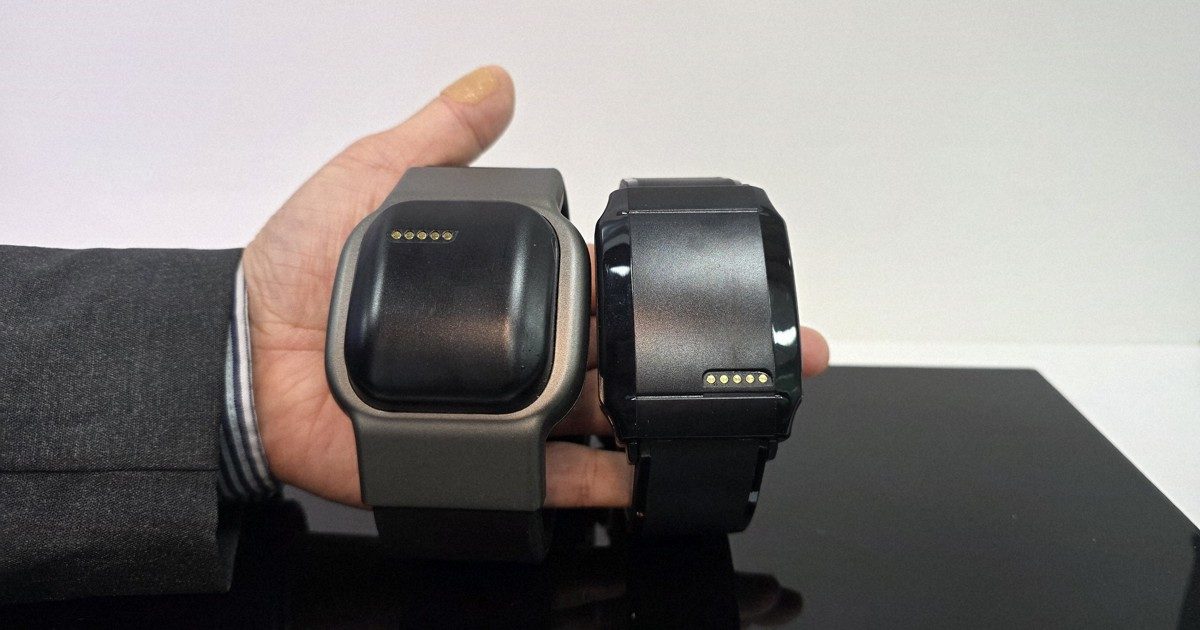
Japan's National Police Agency set up an expert panel in October to debate fitting stalkers with GPS trackers and ordering them into treatment, weighing a proven deterrent against the privacy and freedom-of-movement limits such monitoring imposes.
The panel is discussing how a tracking system for offenders should work, and how to push them into treatment or counseling. Stalker regulation has been tightened repeatedly after serious cases, yet the harm has stayed severe, and the effectiveness of the measures is in question.
How tracking would work
A device would let police know where an offender is. If the person approached a victim, police notification and evacuation could come at an earlier stage than now.
For victims who do not know where an offender is, that would be reassurance. Because an approach becomes visible, the device is also expected to deter offenders from following victims at all.
Moving house or changing jobs to escape harm is a heavy burden, and some victims' advocates want the system introduced.
Precedents in South Korea and Europe
Spain and the central-western German state of Hesse also fit ankle devices and let authorities respond when an offender comes within a set distance of a victim. Some countries use the devices for perpetrators of domestic violence between spouses and of sexual crimes, not only stalking.
The rights questions
The panel faces a list of questions: what device to use and how to fit it, how long monitoring should last, and whether a device can be removed temporarily. It must also decide which offenders to target, and whether an approach should alert police as well as the victim.
Treatment that few accept
Who should be covered, and how to ensure the treatment is effective, remain open questions.