
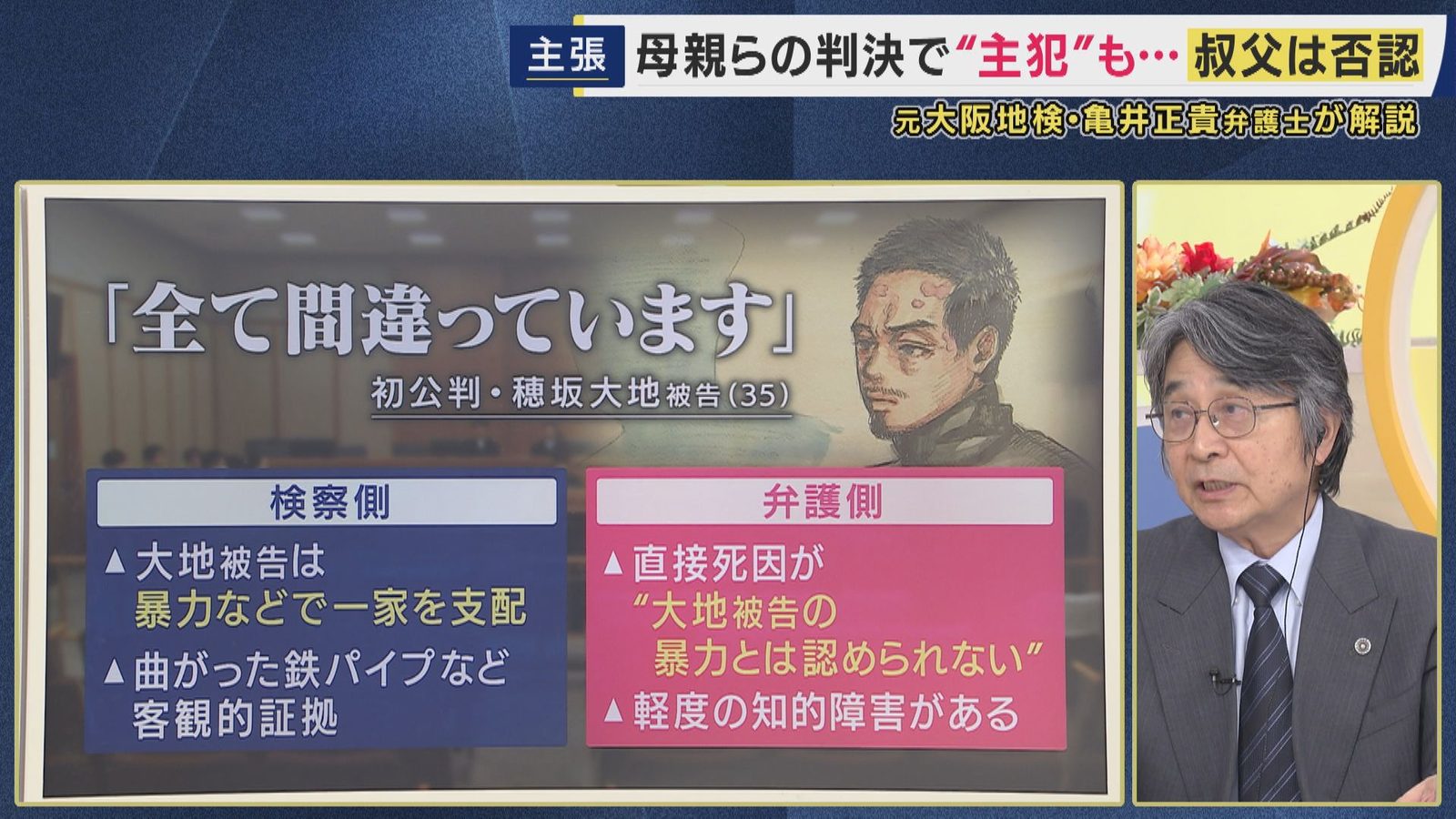
A 35-year-old man on trial for beating his 6-year-old nephew to death and abandoning the body told the presiding judge "shut up" during his first hearing, an outburst that a former prosecutor says will badly damage how the lay judges view him.
Daichi Hosaka is charged with assault resulting in death and abandoning the body of his nephew, Shu, in Kobe's Nishi Ward three years ago. He is accused of striking the boy with an iron pipe and other weapons, then leaving the body in grass, FNN Prime Online reported.
At the hearing on the 16th, Hosaka said the charges against him were "all wrong." He was later ordered removed from the courtroom.
Outburst Came During Evidence on the Assault
Hosaka appeared to want to say something while evidence on the assault against Shu was being presented. The presiding judge told him to be quiet.
Hosaka then told the judge "shut up" and was ordered to leave. As he was led out, he said the trial "contains lies."
“There are judges and lay judges, and lay judges value their impression of the defendant. His impression will get considerably worse.”Masataka Kamei, former prosecutor and lawyer
Lay judges — ordinary citizens who sit alongside professional judges and rule on guilt and sentence — decide the verdict with the panel. Kamei also said Hosaka's statements in court diverged from his defense team's position.
“Exchanges in court are of course discussed beforehand, so this means they could not control him.”Kamei
Prosecution and Defense Split on Assault Charge
Prosecutors said Hosaka controlled the family through violence and that a bent iron pipe and other weapons were found at the home, giving them objective evidence.
The defense contests the charge of assault resulting in death. It argues Hosaka did not conspire with Shu's mother and others to assault the boy, and that his blows cannot be confirmed as the direct cause of death.
Three Sisters Already Convicted
Shu's mother, who is Hosaka's older sister, and two younger sisters were convicted as accomplices and received prison terms, including custodial sentences. In those trials, Hosaka was found to be the main perpetrator.
Kamei said the statements the three gave in their own trials are likely not being admitted as evidence this time because Hosaka denies the charges. A co-defendant's verdict does not carry over automatically, he said.
“The evidence is different and it is a separate case, so the conclusion can differ. What the three of them say in testimony will be a major point.”Kamei
The court will hear testimony from the three sisters and question Hosaka himself. The verdict is scheduled for January 12.