
More than half of the 57 pieces of evidence newly disclosed for the retrial of a Shiga Prefecture murder case concern the alibi of the convicted man, his defense team said on the 5th, after prosecutors had earlier told the court that no such evidence existed beyond what was already handed over.
The disclosure concerns the Hino Town case, in which a woman was killed in Hino, Shiga Prefecture. Hiroshi Sakahara was convicted of robbery-murder and given a life sentence, which has been finalized. His retrial has been ordered, and hearings are due to begin.
Prosecutors said in October that they would disclose an additional 57 items, and the defense has since examined them. In the earlier retrial request proceedings, prosecutors had answered that "no evidence concerning [Sakahara's] alibi exists other than what has already been disclosed," according to the defense.
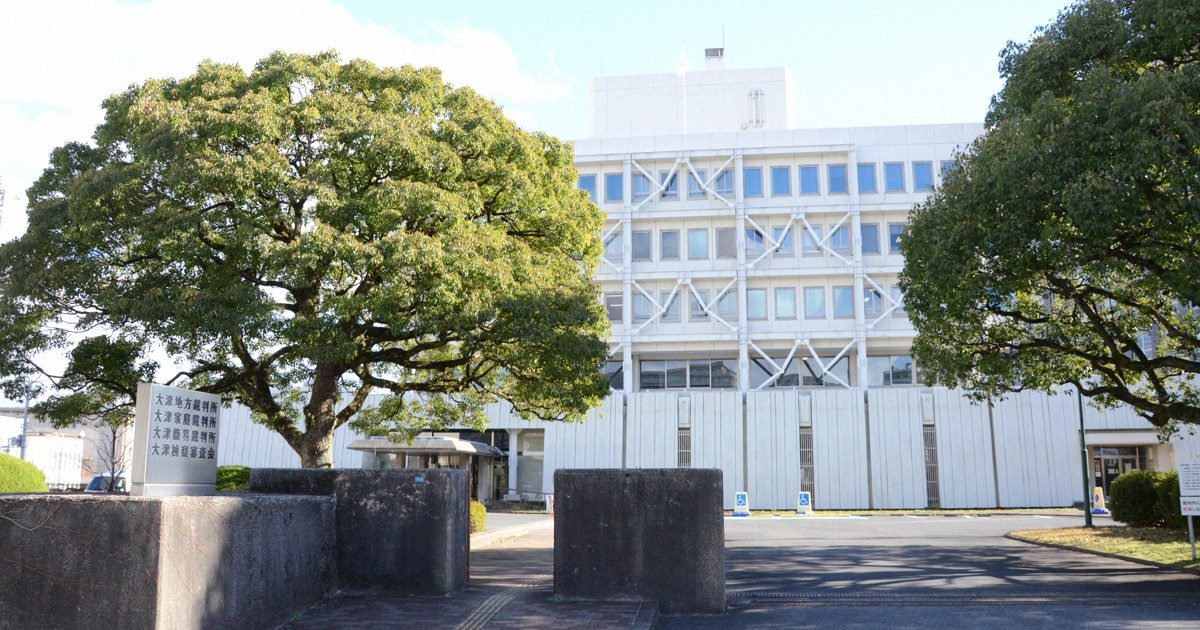
The defense spoke to reporters after a three-way meeting at the Otsu District Court. "We feel strong indignation," the lawyers said. "We will keep demanding disclosure."
The Otsu District Public Prosecutors Office said it understood that in the retrial request proceedings it had been its practice to submit evidence when the defense asked for it.
A pattern beyond one office
The gap between what prosecutors told the court and what they later produced goes to the machinery of disclosure in retrial requests, where the defense has no independent way to check a claim that evidence does not exist. A denial that turns out to be wrong is hard to detect until prosecutors choose to release more.
The case has already seen prosecutors withdraw their evidence of guilt, a reversal that makes an early conclusion of the retrial likely. The defense has argued the conviction is a miscarriage of justice, and Sakahara's family has compared the case to the Sayama incident, another long-running wrongful conviction fight.