
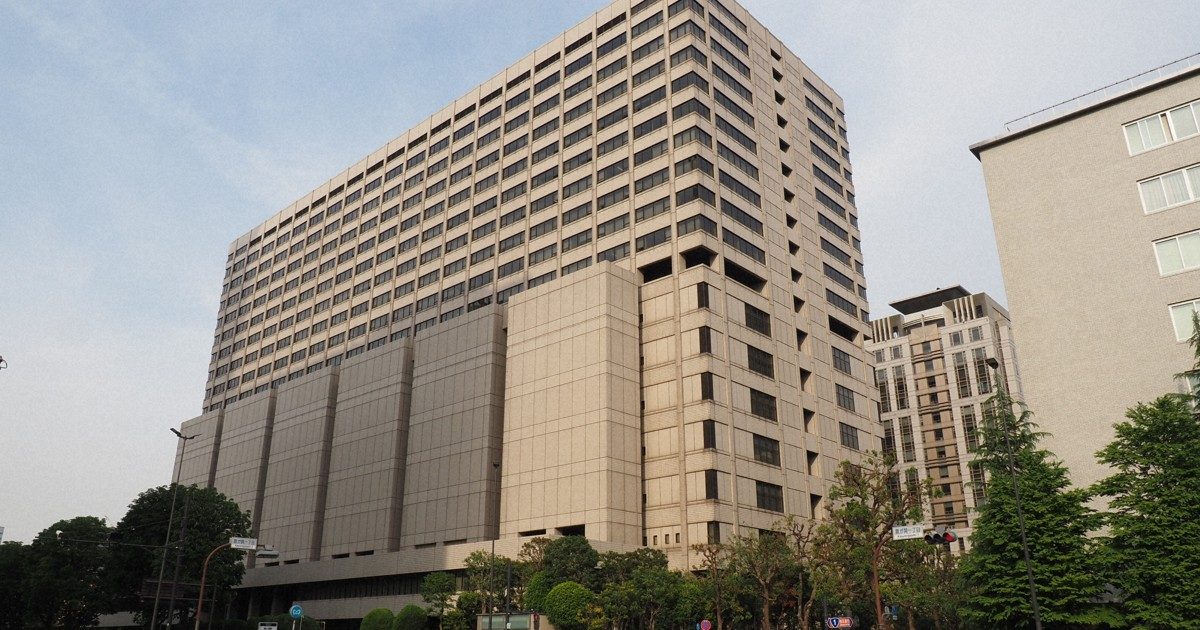
The Tokyo High Court on the 5th upheld a 20-year prison term, the maximum under the law, for a former truck driver convicted over a 2024 drunk-driving crash in Isesaki, Gunma Prefecture, that killed three members of one family. The court dismissed the appeal by Goro Suzuki, 72, who had argued that dangerous driving — driving in a state in which normal operation is difficult — did not apply to his case.
Suzuki was tried under the Automobile Driving Punishment Act on charges of dangerous driving causing death and injury. According to the indictment, on May 6, 2024, he drove a truck while impaired by alcohol to the point that normal driving was difficult. On a national highway in Isesaki he crossed the median and entered oncoming traffic, colliding with a passenger car driven by Hiroto Tsukagoshi, then 26, and other vehicles.
Tsukagoshi was killed, as were his 2-year-old son Minato and his father Masahiro, then 53, who were riding in the car. The driver of another vehicle suffered minor injuries.
Lower court found he drank after a pre-shift check
Suzuki denied drinking at all during his trial at the Maebashi District Court. In its February 2026 ruling, the court noted that no alcohol was detected in a pre-driving check at his workplace, but that two empty 220-milliliter shochu containers were found in the truck's cab after the crash, and that alcohol was detected in his blood.
The court concluded that he drank the shochu between the check and the crash. Drawing on testimony from forensic experts, it found his blood alcohol concentration at the time of the crash was at least 1.4 milligrams per milliliter — nearly five times the threshold for driving under the influence — and that his attention and judgment were severely impaired.
That satisfied the requirement for dangerous driving, the court concluded. At the appeal, the defense did not actively dispute that Suzuki drove drunk, but argued that he was still able to drive in response to his surroundings and that the case amounted only to negligent driving.