
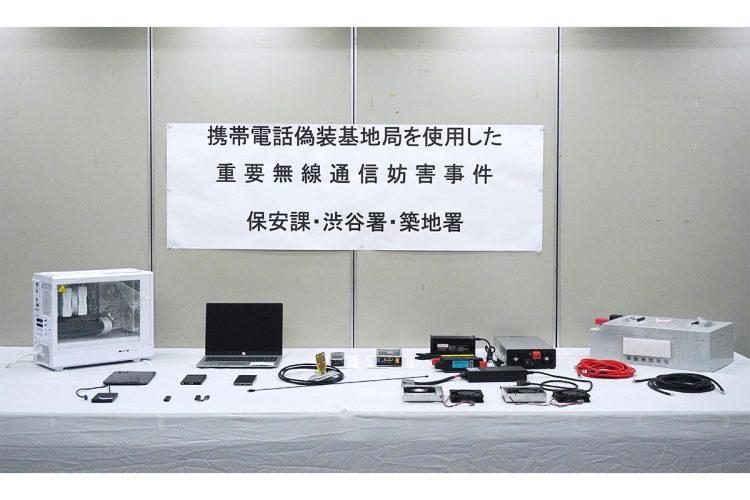
Tokyo police have arrested a 31-year-old Chinese national on suspicion of running an unlicensed fake cell base station from a car in Ginza, a scheme that knocked more than 10,000 smartphones off the network and pushed phishing texts written in Chinese.
Yu Hairong, listed as unemployed, was caught in the act, the Metropolitan Police Department's security division said. He was sent to prosecutors on November 9.
The arrest covered operating a radio station without a license and interfering with NTT Docomo's service. Police are treating the case as one strand of phishing fraud, which has been reported in growing numbers in recent years.
How the scam worked
The device used the outdated 2G standard to lure nearby phones into connecting to it. Once a handset was attached, the fake station sent messages in Chinese warning that the user's credit card had been suspended over suspected misuse abroad.
Each message carried a link to a phishing site. Losses reported since January last year come to about 4 million yen.
Phones began dropping out of range in busy districts around the start of last year. Several Chinese tourists reported receiving messages they could not account for, and police opened an investigation.
Officers tracked Yu's movements through crowded streets before arresting him on November 7 at about 3:30 p.m. A man in his 30s who was in Ginza that day described a crowd thick enough for a visiting celebrity.
More than 10,000 smartphones in the surrounding area lost service the same day, according to the account.
Yu has denied the allegations. He told police he had no wireless equipment in his car and knew nothing about the case, according to the account.
Warnings went unheeded
Signs of the scheme had surfaced publicly before the arrest. In April last year a user on X posted that a strange SMS had arrived after the phone dropped to "E" coverage, the 2G indicator.
On April 15, the internal affairs minister at the time, Seiichiro Murakami, told the Diet that the ministry was aware of interference with mobile phone services around Tokyo.
Police plan to examine how far Yu was involved in earlier cases.