
Car theft in Aichi Prefecture, which has recorded Japan's worst figures for years, has fallen sharply, and the disruption appears to reach back to conflict in the Middle East. The closure of the Strait of Hormuz has changed how stolen vehicles move, while experts warn the decline may not last.
Aichi has led the country in vehicle thefts since 2024, part of a national rise that began in 2020. In April 2025, 151 cars were stolen in the prefecture in a single month. Cases stayed low from the end of that year and have fallen further since March 2026.
Nationally, too, car theft has dropped well beyond the declines seen in other property crime. Bike and bicycle thefts have risen, and break-ins have fallen only slightly, making the slide in vehicle thefts stand out.
A recovered Alphard and a 5-minute job
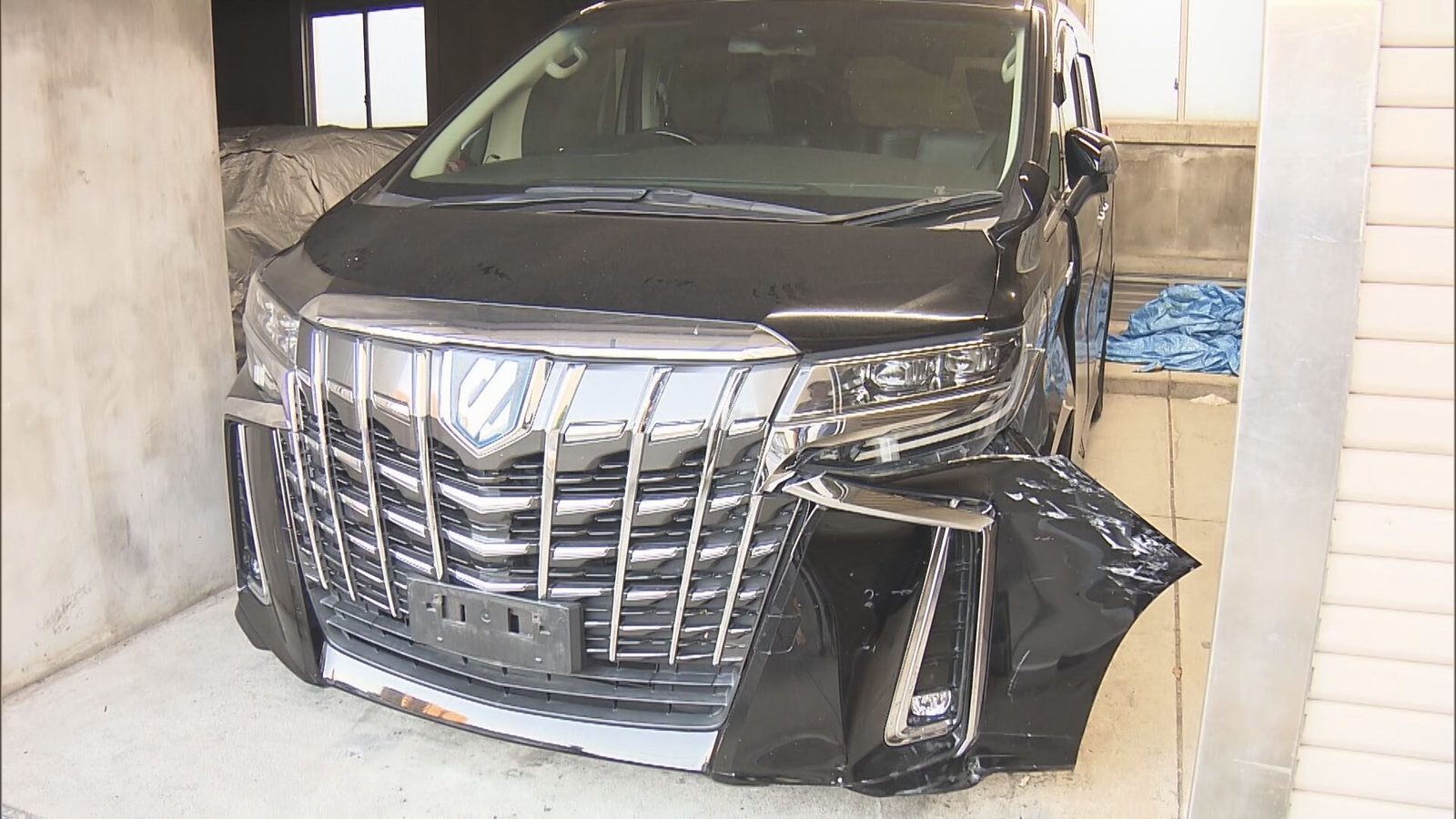
In September 2026, police showed a Toyota Alphard used in a robbery in Inuyama, Aichi, in May, in which brand bags and other goods worth about ¥32 million were taken. The car had been abandoned after the crime, and police found it had been stolen in Kasugai.
A former member of a theft group, speaking on Tokai TV in April 2026, described how low the barrier to entry is. "The hurdle is low — pretty much anyone can do it," the person said. "It feels like a game."
A manager at a car security shop demonstrated a CAN invader — a device that taps into a vehicle's electronic network — on the same broadcaster in December 2025, pressing a red button to start authentication and open the door mirrors before the system booted up at the start switch.
More than 1,000 thefts last year
“Last year there were a very large number, with more than 1,000 car thefts in Aichi Prefecture. This year the figure has fallen sharply compared with the year before.”Motohiro Nakagawa, head of the Aichi Prefectural Police's community safety division, Aichi Prefectural Police
Tokai TV has reported on vehicle theft and countermeasures in a series since October 2025. The steep drop has not been explained in detail, and the link to the Strait of Hormuz closure is described as a possible factor rather than a confirmed cause.