
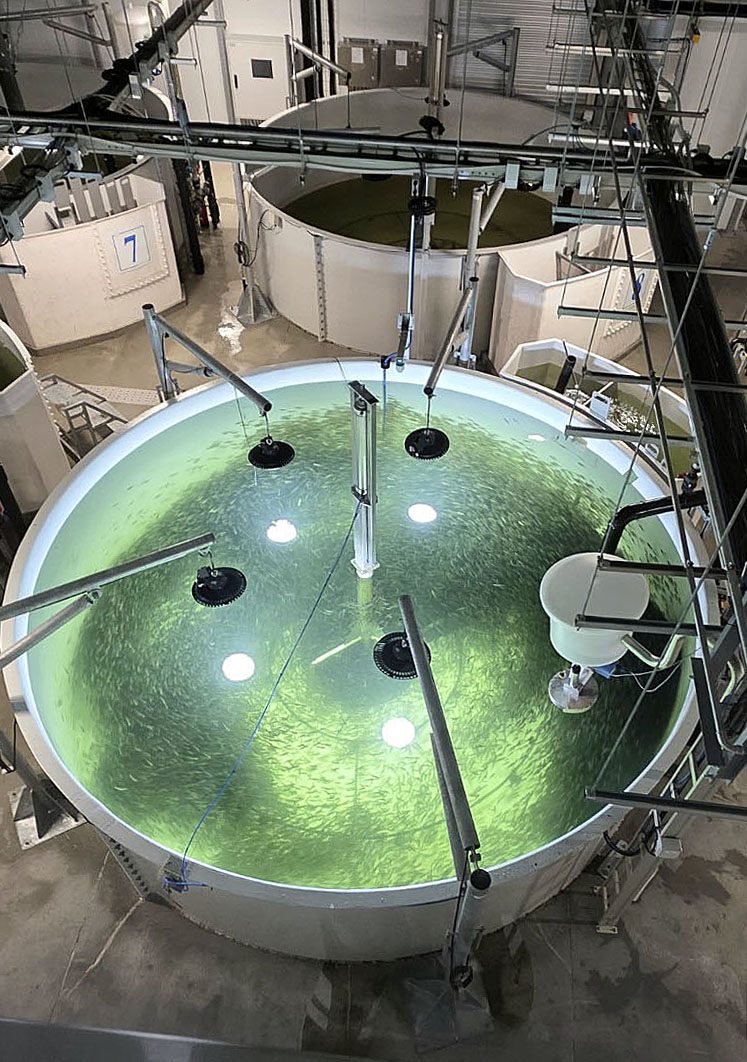
An Atlantic salmon farm sits in the hills of Tsu, Mie Prefecture, far from any coast. The company running it, Pure Salmon Japan, began operating in May and aims to produce the fish in large volumes using advanced filtration, Kyodo News reported.
Salmon is a popular sushi topping in Japan, and most of what the country eats is imported from Norway and elsewhere. President Erol Emed, 63, said the farm offers "a freshness you cannot taste in imports." Buyers have already contracted for the roughly 10,000 tons the company plans to ship in 2028, when deliveries begin, according to the report.
Why inland
Emed said Japanese buyers have shown strong interest in a stable supply, as import costs climb and warming waters worsen growing conditions overseas. He also cited Japan's potential as a market, with the government pursuing export expansion as a national strategy, and called on investors in the Middle East and elsewhere before founding the company in 2018.
The farm sits in Tsu because the city can ship to the high-demand Kanto and Kansai regions without losing freshness, he said.
The site covers about 140,000 square meters of cleared mountain forest, with plans for more than 70 tanks in total. About 600,000 eggs have been placed in the completed tanks to start raising fry, and a processing facility is under construction. Shipments are scheduled to begin around February 2028.
Closed-loop tanks
The farm uses what is called closed-loop land-based aquaculture, filtering water to remove waste and then reusing it. The method is not affected by the red tides or rising sea surface temperatures that hit marine farms, according to the report.
A major trading house has signed a contract to ship the fish to market. With feed and energy costs rising, the company aims to sell to supermarkets and sushi restaurants at prices comparable to imports.
Inquiries have come from overseas as well, but Emed said his priority is closer to home. "First of all, I want people in Japan to enjoy eating it," he said.