
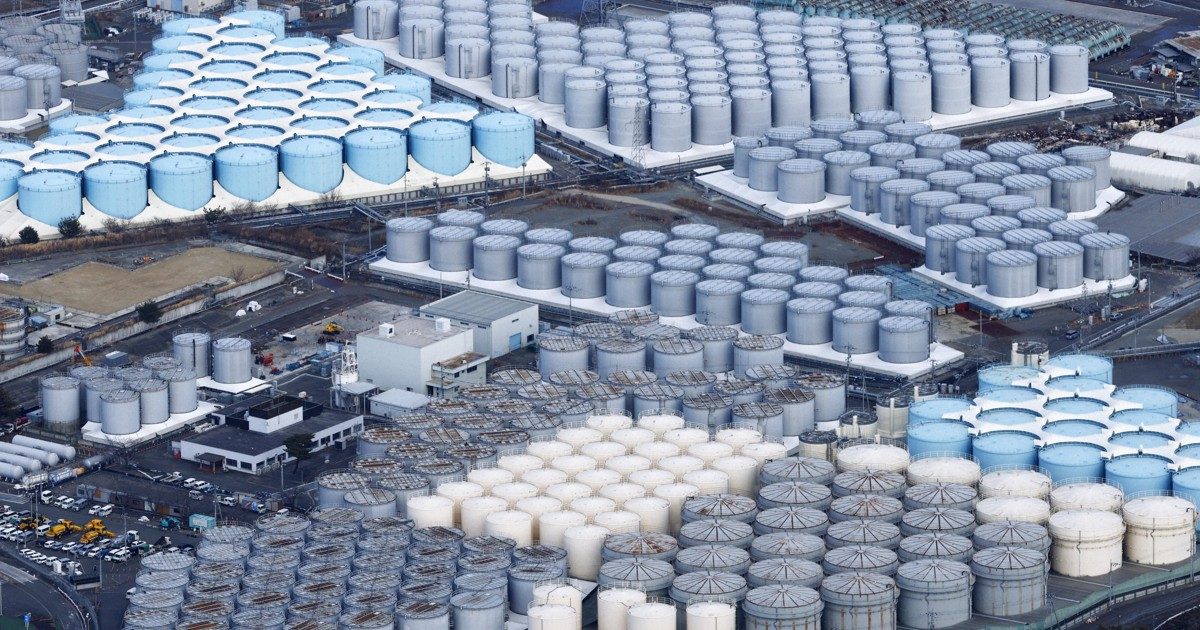
Fifteen years after the accident at Tokyo Electric Power Company's Fukushima Daiichi nuclear plant, the cost of responding to it keeps growing. Most of that cost is meant to fall on TEPCO, which has effectively been taken into state ownership — and the Board of Audit is signaling concern about whether the utility can bear it.
The government puts the total cost of the accident response at ¥23.4 trillion. Apart from the interim storage facility work that the state pays for, which the government estimates at ¥2.2 trillion, TEPCO is the main bearer. Whether the money can be set aside as planned depends on the utility's financial strength.
The total has already risen once. In December 2023 the government raised its estimate from ¥21.5 trillion to the current ¥23.4 trillion, citing higher compensation payments and payouts over the release of treated water. TEPCO's burden has been growing since.
A cost the state has already revised upward
The accident response costs are not capped. Raising the amount of consolation money paid to victims and paying compensation tied to the discharge of treated water pushed the figure higher, and the government revised the total accordingly.
How the money is recovered, and how the cost-sharing works, is set out in the part of the article that follows. The remainder of the piece, about 940 characters of a 1,303-character article, covers the recovery and burden-sharing scheme for TEPCO's share.
The Board of Audit's concern lands on a utility that has posted a net loss and has been drawing on outside partners to keep its operations going.