
Tokyo stocks fell sharply on November 6, with the Nikkei Stock Average dropping more than 4,000 points from the previous day's close at one stage and slipping below the 60,000 mark.
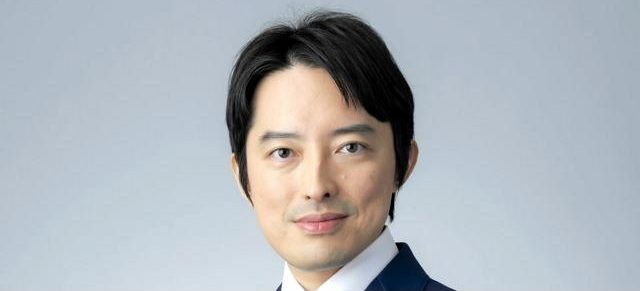
Takayuki Miyajima, a senior economist at Sony Financial Group who follows the semiconductor market closely, described a "triple punch" hitting the market. The trigger, he said, was the US midterm election result, in which the Democratic Party — seen as open to considering AI regulation — won big.
Not a 180-degree turn
Miyajima said the election did not change everything overnight. Concern about whether AI investment can be sustained had already been building, leaving the market primed to react hard to bad news. Democrats were expected to win, he said, but the Republicans lost by more than anticipated.
He pointed to the Texas governor's race, where a Democratic candidate who argued for halting data center construction won. "The impression is that the market jumped on negative news," he told the Asahi Shimbun.
What the market expects of the Democrats
Asked whether the Democrats would not in fact regulate AI aggressively, Miyajima said it is too soon to tell. "They have only just won, and we cannot see yet," he said. The market nonetheless assumes Democrats will be more cautious than Republicans.
He added that investors are seizing on bad news regardless of how likely it is to materialize. "Right now it is easy to jump on bad material, and how certain something is no longer matters much in the immediate term," he said.
The interview was published with the conversation still in progress, and Miyajima's answer on why the market had been worried about the durability of the AI boom was not carried in the available text.