
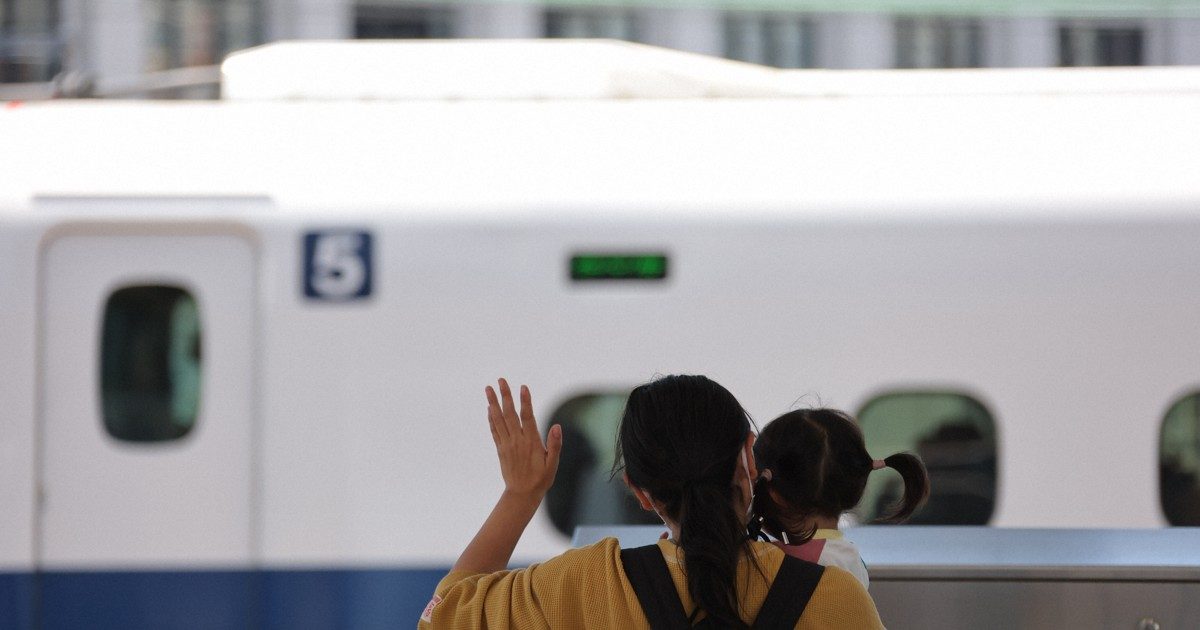
Rail fares that held steady for years are rising across Japan, as operators pass on inflation that a state pricing system designed to keep tickets stable can no longer absorb, the Mainichi Shimbun reported.
JR East raised fares on conventional lines in March. JR Central and JR West said they will raise reserved-seat surcharges on some shinkansen services from July 2027.
Japanese rail fares may move only within a range set by the government. With inflation showing no sign of easing, that system is nearing its limit.
What Nozomi and Mizuho seats will cost
The two companies explained the decision by pointing to rising costs. "Costs to maintain and improve safety and service are rising with recent inflation," they said.
The increase covers reserved seats on the Nozomi and Mizuho services on the Tokaido and Sanyo shinkansen.
A Tokyo–Shin-Osaka reserved seat now costs 14,720 yen, made up of an 8,910 yen base fare and a 5,810 yen surcharge. The surcharge rises 700 yen for tickets bought from July 1, 2027.
- Tokyo–Nagoya: up 580 yen to 11,880 yen
- Shin-Osaka–Hakata: up 280 yen to 16,300 yen
Non-reserved seats keep their current prices. The operators left reserved-seat surcharges unchanged on the Kodama and Hikari services, which stop at more stations.
Sanyo Shinkansen reserved-seat surcharges on the Shin-Osaka–Hakata section rose in April 2023. On the Tokaido Shinkansen, this is the first increase apart from those tied to consumption tax hikes.
Green car fares, held flat apart from consumption tax measures, will also rise for rides from December 15, 2027.
The green car fare between Tokyo and Shin-Osaka goes up 3,000 yen. Combined with the reserved-seat increase, that ticket will cost 3,700 yen more than now.
The increases are expected to add 50 billion to 60 billion yen a year in revenue at JR Central, and 8 billion to 9 billion yen at JR West.
Commuter lines follow
JR East raised fares on conventional lines and shinkansen base tickets by an average of 7.1% from March 14. A ticket between Tokyo and Shinjuku went from 210 yen to 260 yen.
For JR East, it is the first sweeping fare revision since the company was split from the state-run Japanese National Railways and privatized in 1987, apart from measures tied to consumption tax.
Among private operators, Seibu Railway revised its fares in March, its first change in 24 years, raising them by an average of 10.7%.
Tokyo Metro has said it will revise fares in March 2029. A full revision would be its first since 1995, when it was the state-owned Teito Rapid Transit Authority, 34 years earlier.
Keisei Electric Railway has applied to the Ministry of Land, Infrastructure, Transport and Tourism for a revision in March 2028.
Why fares are rising now
Inflation is behind the moves. Material costs for renewing and building rail facilities keep climbing, and wages for construction workers have risen sharply.
Prolonged inflation is squeezing operators' finances, and more companies are likely to announce fare increases to improve earnings.