
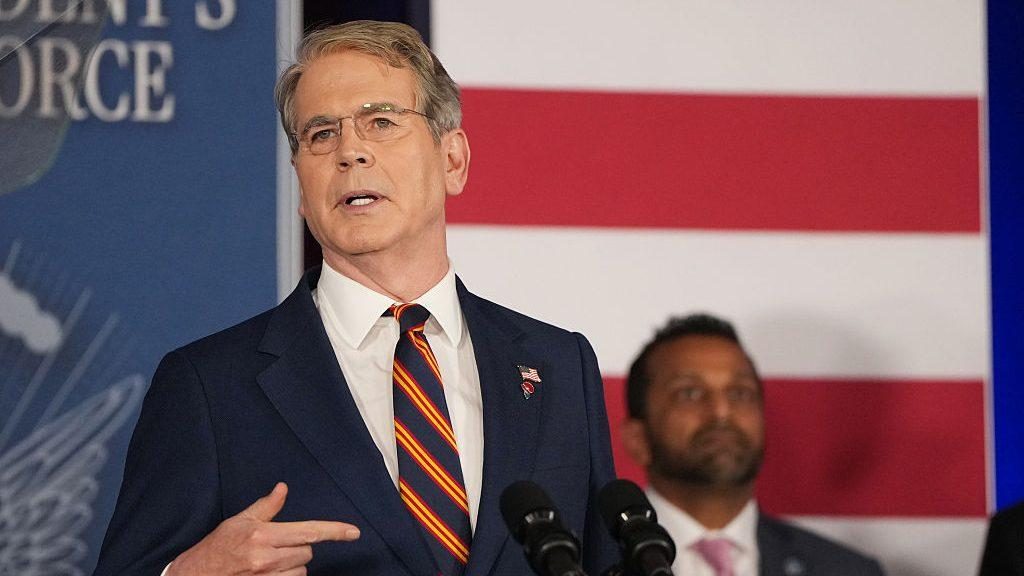
US Treasury Secretary Scott Bessent described the jump in Japanese long-term interest rates as a "six-sigma" move after Prime Minister Sanae Takaichi announced plans to dissolve the lower house, a warning that Washington wants Tokyo to steady its bond market.
The 10-year Japanese government bond yield rose to 2.38% on January 20, 2026, the day after Takaichi announced the dissolution, a level last seen 27 years ago. The yen weakened and bonds sold off while stock prices rose, according to the account.
Few in the business world or the public appeared alarmed. Most media reported the weaker yen and higher long-term yields without presenting them as a serious warning.
Shadows of the Truss shock
The swings in Japan's markets may not have been as abrupt as Britain's Truss shock. But the size of the moves over a period pointed to structural problems rather than a temporary spike, the account argues.
In 2022, UK Prime Minister Liz Truss ignored fiscal discipline and quickly rolled out tax cuts, including a lower top income tax rate and a halt to a planned corporate tax rise. UK gilts slumped, the pound and stocks hit historic lows, and Truss announced her resignation 45 days after taking office.
Takaichi's fiscal policy and tax-cut pledges followed the same trail, according to the account. She campaigned on "proactive fiscal policy" and, as the ruling party, pledged a consumption tax cut for the first time. Foreign investors began a quiet, slow retreat from Japanese assets.
The market shift was clear from the Liberal Democratic Party leadership race in October 2025, when Takaichi's rise to lead the government effectively took shape. Bonds were sold and long-term yields jumped. The yen fell about 8 to the dollar in two months, and verbal intervention by the Finance Ministry no longer lifted it easily.
Washington steps in
Bessent, attending the Davos meeting in Switzerland, gave an interview to US media on January 20, the day after Takaichi's announcement. He said he had met Finance Minister Satsuki Katayama there and was "confident that statements will come from the Japanese side to calm the market."
The remark signaled that the Trump administration was telling Takaichi's government to dispel fiscal anxiety and stabilize the government bond market. Bessent said the rise in Japanese long-term rates over the two days after the dissolution announcement was a "six-sigma move."
In financial markets, six sigma means a price swing that should be all but impossible. Bessent added that it was "very difficult to separate" Japan's move from the rise in US long-term rates.
At the time, the Trump administration and European countries were at odds over Greenland, and the dispute was seen as a possible trigger for a new tariff war. US Treasuries were sold and US long-term rates rose, making the White House sensitive to the issue. Bessent publicly blamed Japan in part.
Japan felt it was being handed responsibility for the effects of Trump's diplomacy, but Bessent had a point. For a government that has taken a pro-Trump line, the pressure was hard to ignore.
A lifeline for the yen
Bessent also threw Japan a line. On January 23, 2026, the yen fell sharply after the Bank of Japan's policy meeting. Markets read Governor Kazuo Ueda's remarks as caution about another rate hike, and speculators sold the yen.
The yen reached the lower 159 range to the dollar, and markets began to watch for a move past 160. Japan was seen to have conducted a rate check, and the Federal Reserve Bank of New York carried out one at the US Treasury's request.
The unusual back-to-back moves by the two monetary authorities signaled intervention was being prepared. The yen rebounded sharply to the upper 153 range, and the rise in Japanese bond yields paused. The feared deepening of a "Sanae shock" was avoided for the time being.