
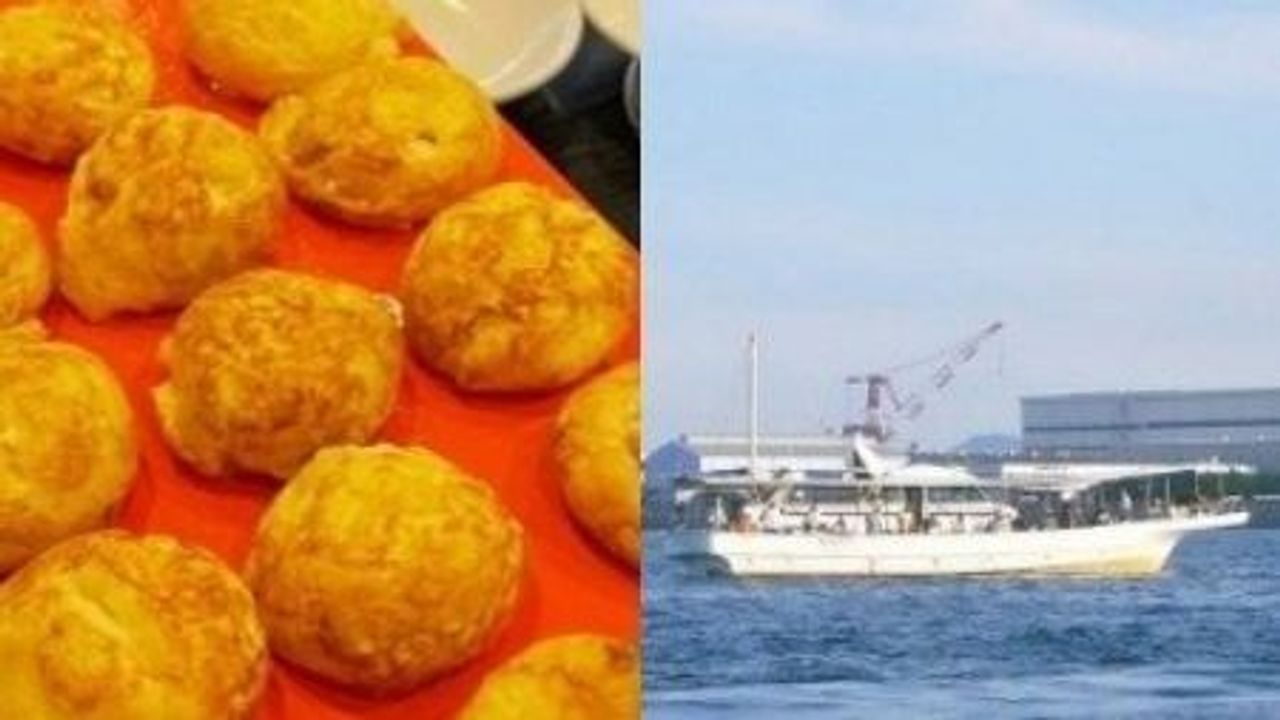
The catch of Akashi octopus, a brand name for the octopus landed off the city of Akashi in Hyogo Prefecture, fell about 90% in a decade, from 1,046 tons in 2015 to 124 tons in 2025, and fishermen in the Seto Inland Sea are talking about the trade ending.
"Akashi octopus is finished," one fisherman said, in a refrain that has spread along the coast. Some say they do not want their sons to inherit the work. "Don't take over as a fisherman," one cried, according to the account.
The octopus is a local treasure as much as a catch. Akashi sells it as a delicacy, and the city has promoted it as one of its "treasures" in a series on local products.
The shortage has reached the plate. Takoyaki — the griddled octopus dumplings that are a staple of street food in the region — are going up in price.
Young anglers and suspicions of poaching
In waters where catching octopus is restricted, younger people are turning up to fish. Many do not fully understand the rules, and some are suspected of poaching.
One described the appeal bluntly: a luxury ingredient, free for the taking. The draw of a high-value catch with no price tag has pulled newcomers into waters that were once the preserve of licensed fishermen.
What has happened to the Seto Inland Sea, long known as a rich fishing ground, is the question the fishermen keep returning to.